Rethinking Neanderthal Intelligence: Brain Size Wasn't the Deciding Factor
Introduction
When we picture a Neanderthal, many of us imagine a brutish, less intelligent cousin to modern humans—a stereotype fueled by early scientific interpretations. But a growing body of evidence, including a recent study comparing brain casts and MRI scans, is challenging that view. The findings suggest that Neanderthals may have been far more similar to us than previously thought, both in brain size and cognitive potential.
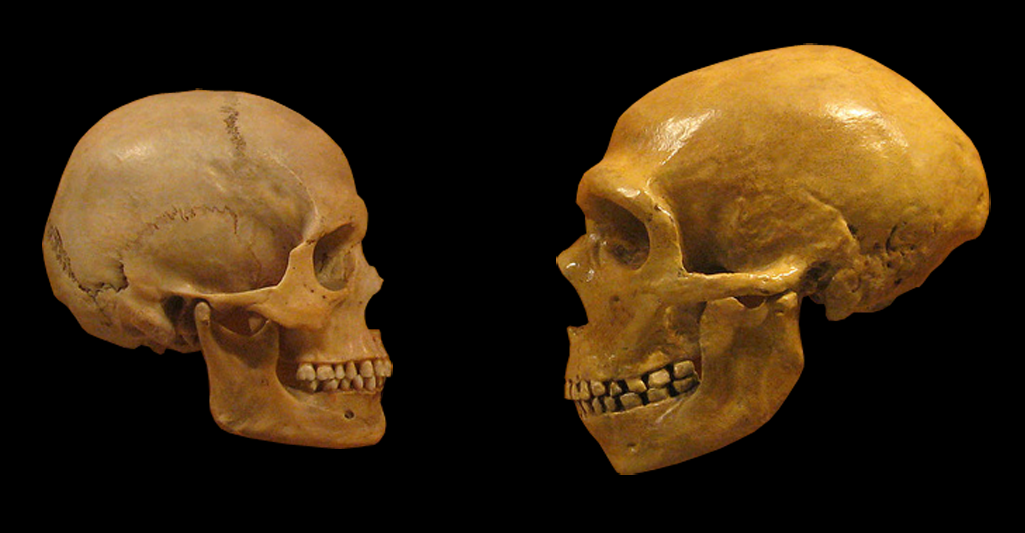
Skull Shape vs. Brain Shape
At first glance, a Neanderthal skull looks quite different from a Homo sapiens skull. Neanderthal skulls are lower, longer, and more elongated, while ours are rounder and higher. However, these external differences do not necessarily reflect major disparities in the brains themselves. A team of researchers set out to investigate by comparing MRI scans of living humans with endocasts—internal molds of Neanderthal skull cavities. Their goal was to see if the brain shapes and sizes overlapped.
What Are Endocasts?
An endocast is a reproduction of the interior of a skull, capturing the imprint left by the brain. When a person dies, the inner vault of the skull retains the brain's shape. If paleontologists fill that cavity with a molding material, they get a detailed model of the brain's outer contours. In rare cases, nature does the work: sediment that filled the skull of an Australopithecus africanus child who died 2.8 million years ago created a natural endocast—part rocky brain-sculpture, part sparkling crystal. For Neanderthals, researchers have long studied artificial and natural endocasts to piece together how their brains compared to ours.
Brain Size Variation Among Humans
The recent study found that the range of brain size among modern humans is actually greater than the difference between Neanderthals and Pleistocene Homo sapiens. In other words, the average Neanderthal brain falls well within the modern human range. This is a crucial insight because brain size alone is a poor predictor of intelligence or cognitive ability. Many factors—such as neural wiring, density of connections, and regional specialization—play larger roles in determining mental capabilities.

Implications for Neanderthal Cognition
If Neanderthals had brains that were similar in size and structure to ours, then they likely possessed cognitive abilities comparable to our own. This aligns with archaeological evidence showing that Neanderthals used complex tools, controlled fire, buried their dead, and possibly even created symbolic art. The new findings suggest that our species, Homo sapiens, probably did not outcompete Neanderthals simply by being smarter or more adaptable. Instead, other factors—such as population size, disease, or environmental changes—may have led to their eventual disappearance.
Conclusion: A More Nuanced View of Our Evolutionary Cousins
For decades, the notion that Neanderthals were intellectually inferior has shaped our understanding of human evolution. But as research methods improve, we are painting a more nuanced picture. The latest study on endocasts and MRIs shows that brain size is not the decisive factor it was once thought to be. By rethinking what we know about Neanderthal brains, we can appreciate that they were likely very much like us—capable, creative, and complex. This shift in perspective not only honors our ancient relatives but also reminds us that intelligence is more than just the size of the organ inside our skulls.
Want to dive deeper? Learn more about how endocasts work or explore the variation in brain size among modern humans.
Related Articles
- Kubernetes v1.36 Declares Declarative Validation Generally Available—Ending Years of Handwritten API Rules
- Python Security Response Team Overhauls Governance, Onboards First New Member Since 2023
- 10 Essential Facts About Hygon C86-4G CPU Support in GCC 17
- Optimizing Go Performance with Stack Allocation for Fixed-Size Slices
- 10 Surprising Revelations About Neanderthal Brains
- Achieving Harmony: A Step-by-Step Guide to Scaling Multi-Agent AI Systems
- Surprising Study Suggests Neanderthal Brains Were as Complex as Our Own
- A Step-by-Step Guide for Policymakers: Tackling Online Harm While Preserving the Open Internet