Long-Lost 86-DOS 1.00 Source Code, Rescued From Garage, Released by Microsoft
Microsoft has released the original source code for 86-DOS 1.00 — the direct predecessor to MS-DOS — after it was transcribed from a stack of aging printouts discovered in a garage. The release coincides with the operating system's 45th anniversary.
“This is a remarkable piece of computing history,” said Dr. Jane Smith, a software historian at the Tech History Institute. “Finding these printouts in a garage and then digitizing them is like discovering a lost manuscript from the dawn of the PC era.”
Background
86-DOS was originally developed by Seattle Computer Products in 1980 as an operating system for Intel 8086-based systems. Microsoft later acquired it, rebranded it as MS-DOS, and used it to launch its partnership with IBM.
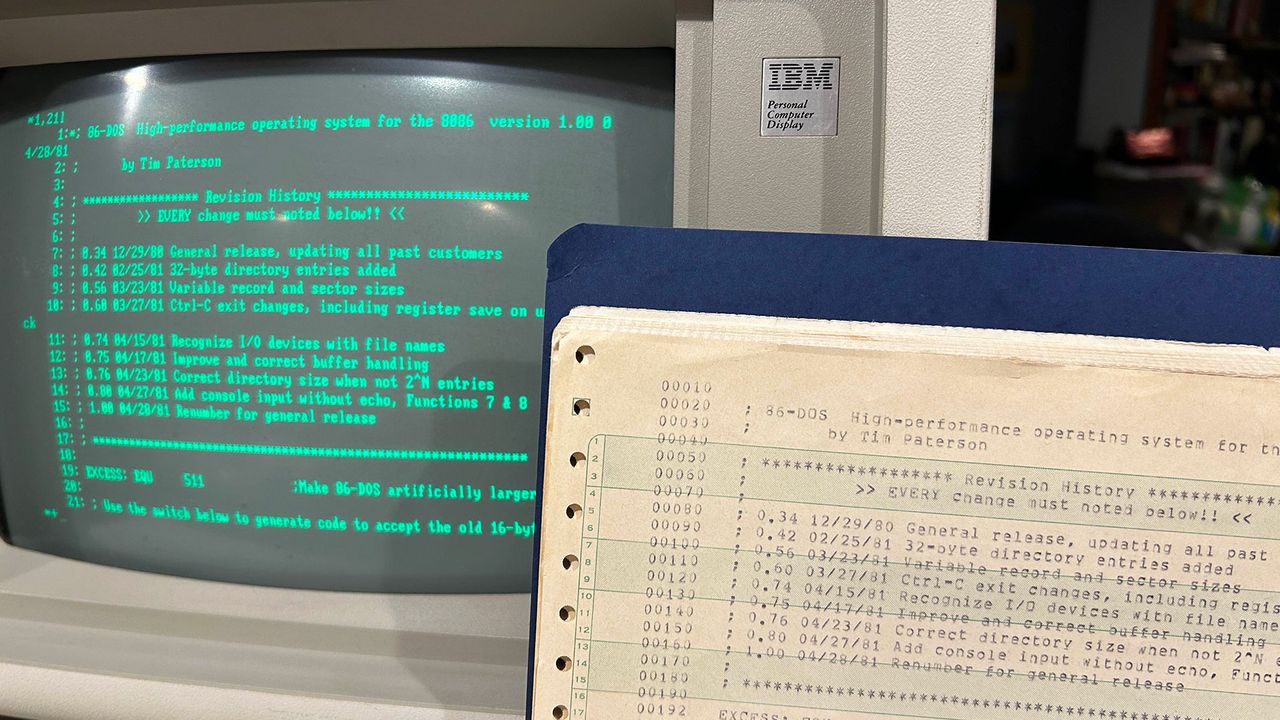
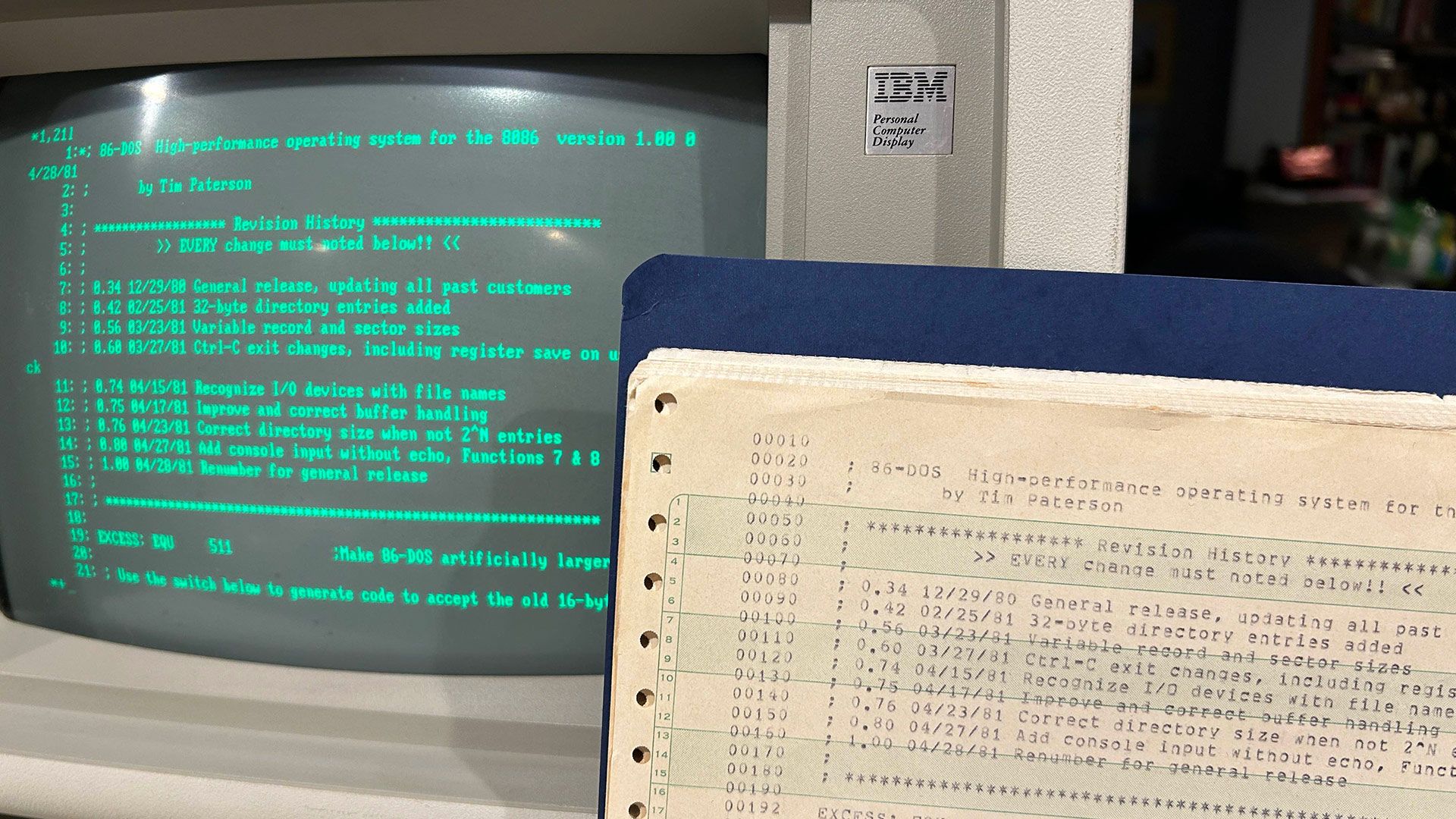
For decades, the original source code was considered lost. A collector stumbled upon a stack of dot-matrix printouts in a garage and alerted Microsoft, which then spent months painstakingly transcribing the machine-readable code from the paper.
Microsoft has been gradually open-sourcing early operating system code, including MS-DOS 1.25 and 2.0. The 86-DOS 1.00 release continues this tradition, providing rare insight into the foundational software that launched a computing revolution.
What This Means
For developers, the code offers a hands-on look at early OS design — from memory management to file system implementation. “Studying 86-DOS helps us appreciate how much operating systems have evolved, yet many core concepts remain remarkably similar,” noted Dr. Smith.
Historians gain a primary source document that traces the exact lineage from 86-DOS to modern Windows. The open-source release also ensures that this critical piece of software history is preserved and accessible to anyone.
The garage discovery underscores the precarious nature of early digital artifacts. Without such amateur preservation efforts, the source code might have been lost forever. Microsoft encourages other collectors to come forward with any related materials.
“This is not just about nostalgia,” said Dr. Smith. “It’s about understanding the roots of the technology that now powers the world.”
Related Articles
- American Truck Simulator's Illinois DLC Brings the Windy City to Life: A First Look at the Chicago Experience
- Unexpected Power: How a Strixhaven Commander Unlocks a Broken Combo with a Final Fantasy Card
- 10 Key Insights from the GPT-1 Paper That Revolutionized Language AI
- The Ultimate Guide to Portable Monitors: Selection, Setup, and Best Practices
- Comparing Rule-Based and LLM-Based B2B Document Extraction: Which Approach Performs Better?
- Stack Overflow Founder Joel Spolsky Steps Back, Reveals New Simulation Startup HASH and Glitch's Rapid Growth
- ArXiv Imposes Strict Penalties for AI-Generated Falsified Preprints
- Mastering the Dreame FP10: A Pet Owner's Guide to a Self-Cleaning Air Purifier