How Spotify Engineers Craft Your Unique 2025 Wrapped Story
Introduction
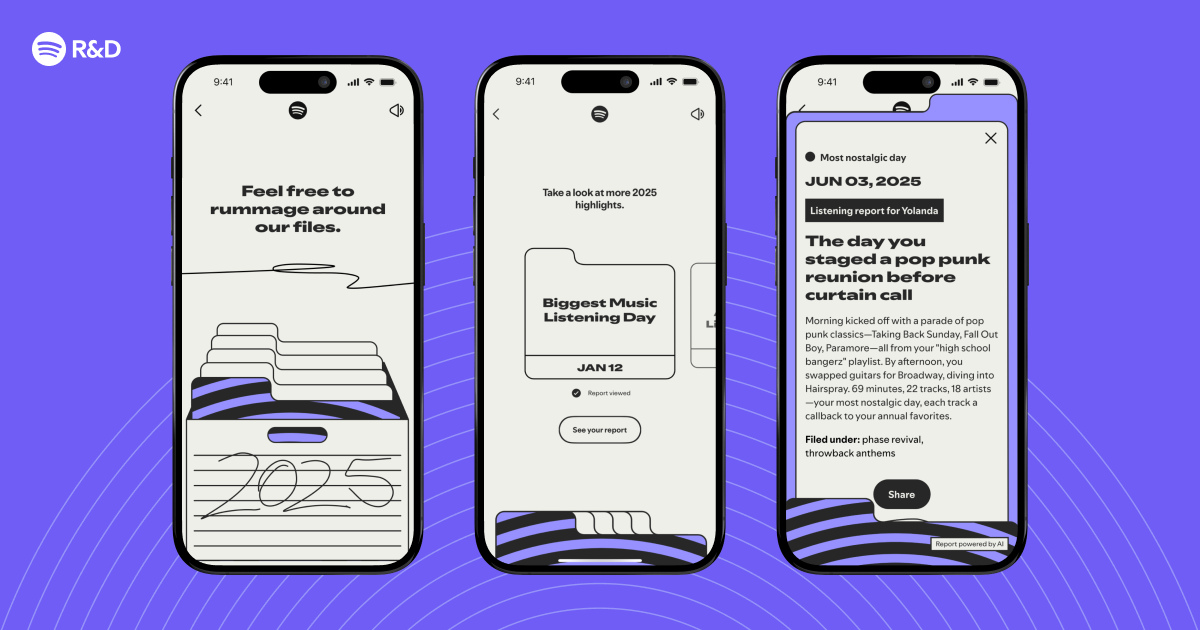
Every December, millions of Spotify users around the globe eagerly await their personalized Wrapped recap—a snapshot of their year in music, podcasts, and listening habits. But have you ever wondered about the engineering magic that makes this possible? Behind the scenes, Spotify's data scientists and engineers work year-round to collect, analyze, and transform billions of data points into your unique highlights. This guide walks you through the step-by-step process that powers your 2025 Wrapped experience, from raw data collection to the final storytelling interface.
What You Need
Before diving into the steps, here are the key ingredients (or prerequisites) that Spotify uses to build your Wrapped:
- Massive-scale data infrastructure – Cloud storage and processing systems (e.g., Google Cloud BigQuery, Apache Spark) capable of handling petabytes of streaming data.
- User listening logs – Timestamps, song IDs, artist IDs, skip rates, repeat counts, and other interaction events collected 24/7.
- Machine learning models – Pre-trained classifiers for mood, genre, and era detection (e.g., audio features such as danceability, acousticness).
- Natural Language Generation (NLG) templates – To turn data points into human-readable stories.
- Personalization algorithms – Collaborative filtering and content-based recommendation logs that power your daily mixes and discover weekly, which also feed into Wrapped.
- Design assets – Pre-made graphic templates (colours, animations, typography) for the final visual presentation.
Step-by-Step Guide
Step 1: Collect and Aggregate Listening Data
Spotify's engineering team begins by pulling your entire year's worth of streaming events from their data warehouses. Each time you press play, skip, or add a track to a playlist, that event is logged with a unique timestamp and user ID. For Wrapped, engineers run batch jobs that aggregate these logs by user, song, and artist, computing metrics like total minutes listened, top genres, and most-played tracks. This step uses distributed processing tools like Apache Beam to handle the global user base efficiently.
Internal anchor: Jump to Step 2
Step 2: Classify Listening Moments
Raw stats alone don't tell a story. Engineers then apply machine learning models to categorize your listening behavior into meaningful clusters. For example, they identify "peak listening hours," "workout anthems," and "late-night unwinding sessions" by analyzing time-of-day patterns and audio features. They also detect outliers—like a sudden spike in a genre you rarely listen to—which often become your "Unlooked for Discovery" moment in Wrapped. This classification uses pre-trained K-means clustering on feature vectors extracted from each listening session.
Step 3: Identify Highlight-Worthy Patterns
Not every data point is interesting. The system runs a custom algorithm that scores each listening event based on novelty, frequency, and emotional resonance. For instance, a song you played 50 times in a single week scores higher than one played evenly throughout the year. This scoring also considers social signals: how your stats compare to global averages, and whether you were among the top 1% listeners for a particular artist. The output is a ranked list of potential highlights, which later become your Top Artists, Top Songs, and Milestone moments.

Step 4: Generate Narrative Stories
With highlights selected, engineers use Natural Language Generation (NLG) to convert numbers into sentences. They have a library of sentence templates: e.g., "You spent [X] minutes listening to [Artist], more than [Y]% of listeners." The system fills in the blanks with the actual computed values. For more complex stories (like "your audio aura"), they use a sequence-to-sequence model that combines multiple data points into a coherent paragraph. This step ensures that your Wrapped feels like a personal letter, not a dry report.
Step 5: Personalize Visuals and Layout
Finally, the engineering team integrates the narrative text with dynamic design templates. Each Wrapped story slide is rendered server-side using HTML5 canvas and CSS animations, tailored to your listening data. For example, your top genre of pop might trigger a pink colour scheme, while a jazz-listening year produces a vintage sepia palette. The layout is also responsive, so your Wrapped looks great on both mobile and desktop. A/B testing is performed to optimize the order of slides and the call-to-action buttons (like "Share to Story").
Tips for a Better Wrapped Experience
- Listen more during off-peak hours. Wrapped often highlights unique listening times, so playing music at 3 AM can earn you a fun "Night Owl" badge.
- Explore new genres early in the year. The discovery moments in Wrapped are based on novelty—so try something new in January to increase your chances of being featured.
- Don't skip tracks you love. Repeated listens (without skipping) signal genuine enjoyment and boost a song's chance of appearing in your top tracks.
- Use the "Like" button. Your saved songs feed into the algorithm's weighting, making your favorites more likely to appear in Wrapped milestones.
- Check your Wrapped on the first day of release. The engineering team deploys the feature in waves to avoid server overload; early access can give you a smoother experience.
Related Articles
- Rare Apple Watch Series 11 Discounts Hit All-Time Lows, M5 MacBook Air and AirPods Pro 3 Also Sharply Reduced
- Embracing Agentic Development: A Spotify-Anthropic Inspired Roadmap
- Agentic Development Unpacked: Insights from the Spotify x Anthropic Collaboration
- How AI Agents Are Reshaping Software Development: Insights from Spotify and Anthropic
- Building Stable Streaming Interfaces: Key Questions Answered
- How to Use AirPods Pro as Hearing Aids and Enable Hypertension Alerts on Apple Watch
- Top Apple Bargains This Week: Massive Savings on Watch Series 11, MacBook Air, and AirPods
- Exclusive: Spotify Reveals the AI and Data Engineering Powering 2025 Wrapped Personalization