Graduation Speakers Face Backlash Over Artificial Intelligence Remarks
Introduction: A New Source of Commencement Controversy
At several recent graduation ceremonies across the United States, commencement speakers have found themselves at the center of controversy—not for political endorsements or cultural commentary, but for their remarks on artificial intelligence. Reports indicate that multiple speakers were met with loud boos from the audience after making statements about AI, sparking debates about the role of technology in education and the expectations of graduating students.
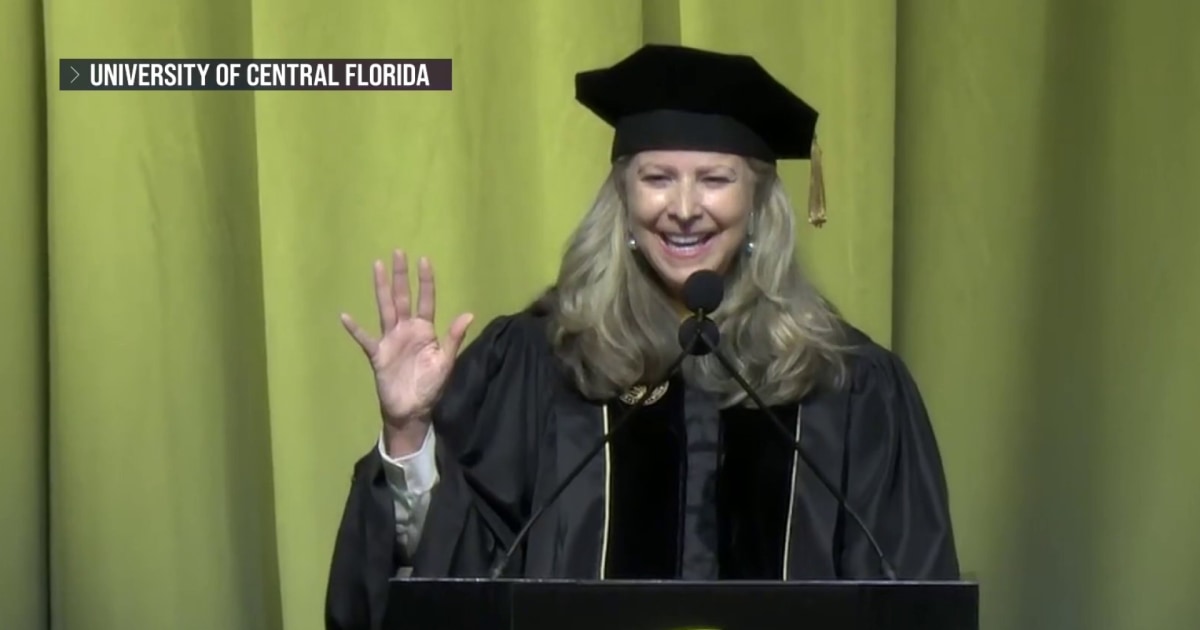
What Happened at These Ceremonies?
According to video footage and eyewitness accounts, the incidents occurred at different universities, though the exact institutions have not been widely named. In each case, speakers touched on topics such as AI replacing jobs, the ethical implications of machine learning, or the potential for AI to enhance human creativity. Audience members, particularly graduates and their families, responded with audible disapproval, some even walking out.
These reactions highlight a growing tension between the promise of AI and the anxieties it generates. While some speakers attempted to inspire graduates to embrace AI as a tool for the future, others warned about its risks. The boos suggest that many listeners found the messages either tone-deaf or poorly timed.
Why Are AI Comments at Graduations So Divisive?
Graduation speeches are traditionally uplifting and focused on human achievement. Introducing a topic that implies machines may soon surpass human capabilities can feel jarring. Moreover, students who have just completed years of rigorous study may not want to hear that their degrees could be devalued by automation. Key reasons for the backlash include:
- Fear of job displacement: Many graduates worry that AI will render their fields obsolete.
- Loss of human connection: Some see AI as a cold, impersonal force that undermines community.
- Perceived insensitivity: Speakers who appear to celebrate AI advancements may be seen as ignoring real struggles.
- Generational divide: Older speakers may not grasp how younger generations experience technology.
Broader Context: AI in Higher Education
These incidents are just one facet of a larger conversation about AI in academia. Universities are grappling with how to integrate tools like ChatGPT into curricula, whether to ban AI in essays, and how to prepare students for an AI-driven workforce. The booing at commencements mirrors debates happening in classrooms and faculty meetings across the country.
Some educators argue that AI will be a transformative tool, while others fear it will undermine critical thinking. The commencement speech controversies bring these tensions to a public stage, forcing institutions to confront how they talk about technology with their students.
Public Response and Online Debate
Following the incidents, social media and news outlets erupted with commentary. On platforms like X (formerly Twitter) and Hacker News, users debated whether the speakers were rightfully criticized or whether the audiences overreacted. Some commenters noted that booing is a time-honored tradition at commencements, but that in the age of viral video, such moments can have lasting reputational impacts.
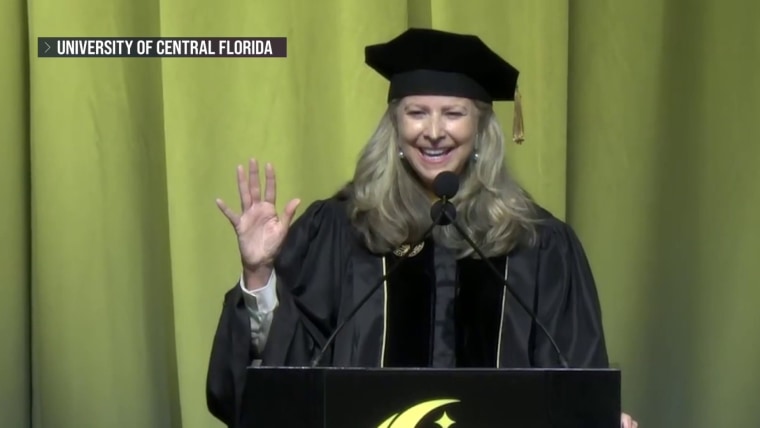
One Hacker News thread with 30 points and four comments (originally reporting the story) saw a mix of opinions. Some users argued that speakers should be free to discuss hard truths, while others felt that commencements are not the appropriate venue for controversial tech predictions. The thread itself generated limited discussion, but the underlying tensions are widely felt.
What This Means for Future Graduation Ceremonies
As AI continues to advance, its presence in commencement addresses is likely to increase. Schools may need to provide guidance to speakers about audience expectations, or encourage more balanced presentations that acknowledge both opportunities and challenges. For students, the booing underscores a desire for speeches that center on human resilience, adaptability, and the value of their education—rather than on machines that may or may not replace them.
Ultimately, these events serve as a reminder that the conversation around AI is not just technical but deeply emotional. Graduates want to feel empowered, not alarmed, as they step into the next chapter of their lives. As one commenter on the Hacker News post put it: “The boos aren’t about rejecting technology—they’re about rejecting a message that diminishes their hard work.”
Conclusion: Navigating the Intersection of AI and Human Achievement
The graduation season of 2025 (or the most recent season when these incidents occurred) will be remembered not just for diplomas and handshakes, but for the unexpected drama over artificial intelligence. While no single narrative defines all the incidents, the common thread is clear: audiences are increasingly sensitive to how AI is framed in celebratory contexts. For speakers and institutions alike, the lesson may be to tread carefully—and to remember that the graduates themselves are the stars of the show, not the latest software. The challenge is to discuss AI in a way that informs and inspires, rather than frightens or alienates.
Related Articles
- Global Climate Progress: Key Developments and the Path Away from Fossil Fuels
- Mastering Survey Bias Correction: A Practical Guide to IPW, CBPS, Ranking, and Post-Stratification
- Decentralized Architecture: Q&A on Empowering Teams with Guardrails
- Android CLI Revolution: How AI Agents Are Speeding Up App Development
- 10 Shocking Facts About CrystalX: The Joker of Malware
- The One Brain Question You Must Answer Before Building Your Obsidian Vault
- John Ternus Takes Center Stage at Apple's Q2 2026 Earnings Call: A Glimpse into the Future
- 7 Ways IDE-Native Search Tools Transformed Our AI Coding Agents