How to Find the Perfect Ergonomic Chair for Back Relief: Featuring LiberNovo Maxis and Omni
Introduction
If you spend hours at a desk—whether working, gaming, or studying—you’ve probably felt that nagging ache in your lower back. You’re not alone. The solution isn’t just any chair; it’s one that adapts to your unique body and movement patterns. This step‑by‑step guide will help you choose an ergonomic chair that truly supports your spine, using the award‑winning LiberNovo Maxis and Omni models as prime examples. By the end, you’ll know exactly what to look for and how to make the right investment for your back health.
What You Need
- Measuring tape – to record your desk height, seat height range, and floor space.
- Your body measurements: height, inseam, and weight (to compare with chair specifications).
- Knowledge of your typical sitting posture – do you lean forward, recline, or move a lot?
- A budget range – ergonomic chairs can vary widely in price.
- List of must‑have features (e.g., lumbar support, armrest adjustability, breathable material).
- Access to a product page or showroom to check specifications and reviews.
Step‑by‑Step Guide
Step 1: Assess Your Workspace and Body
Before shopping, measure your desk height and the available floor space. A proper ergonomic chair needs at least 4–6 inches of clearance behind your knees. Then note your own height, inseam, and weight. These numbers will help you match with chairs like the LiberNovo Omni or Maxis, which offer a wide range of adjustability. Pro tip: Write down your ideal seat height range (usually 16–21 inches) and lumbar support location (around the curve of your lower spine).
Step 2: Understand Dynamic Ergonomics
Static chairs force your back into a fixed position, but dynamic chairs move with you. The LiberNovo Omni is the world’s first dynamic ergonomic chair—it allows your pelvis to tilt naturally as you shift from typing to leaning back. This continuous micro‑movement keeps your spine aligned and reduces pressure points. Look for chairs that offer synchronized tilt, seat depth adjustment, and a flexible backrest. Remember: A good ergonomic chair doesn’t lock you in place; it supports your natural range of motion.
Step 3: Verify Certifications and Awards
Independent certifications prove a chair’s quality and safety. The LiberNovo Omni carries GreenGuard Gold certification, meaning it emits very low levels of volatile organic compounds (VOCs)—important for indoor air quality. It also won the Red Dot Product Design and iF Design awards for 2026, which recognize outstanding ergonomics and aesthetics. When evaluating any chair, check for similar credentials (e.g., BIFMA, ANSI/HFES, GreenGuard). These badges indicate rigorous testing and a commitment to user well‑being.
Step 4: Compare Models – Maxis vs. Omni
LiberNovo offers two flagship chairs, each designed for different needs:
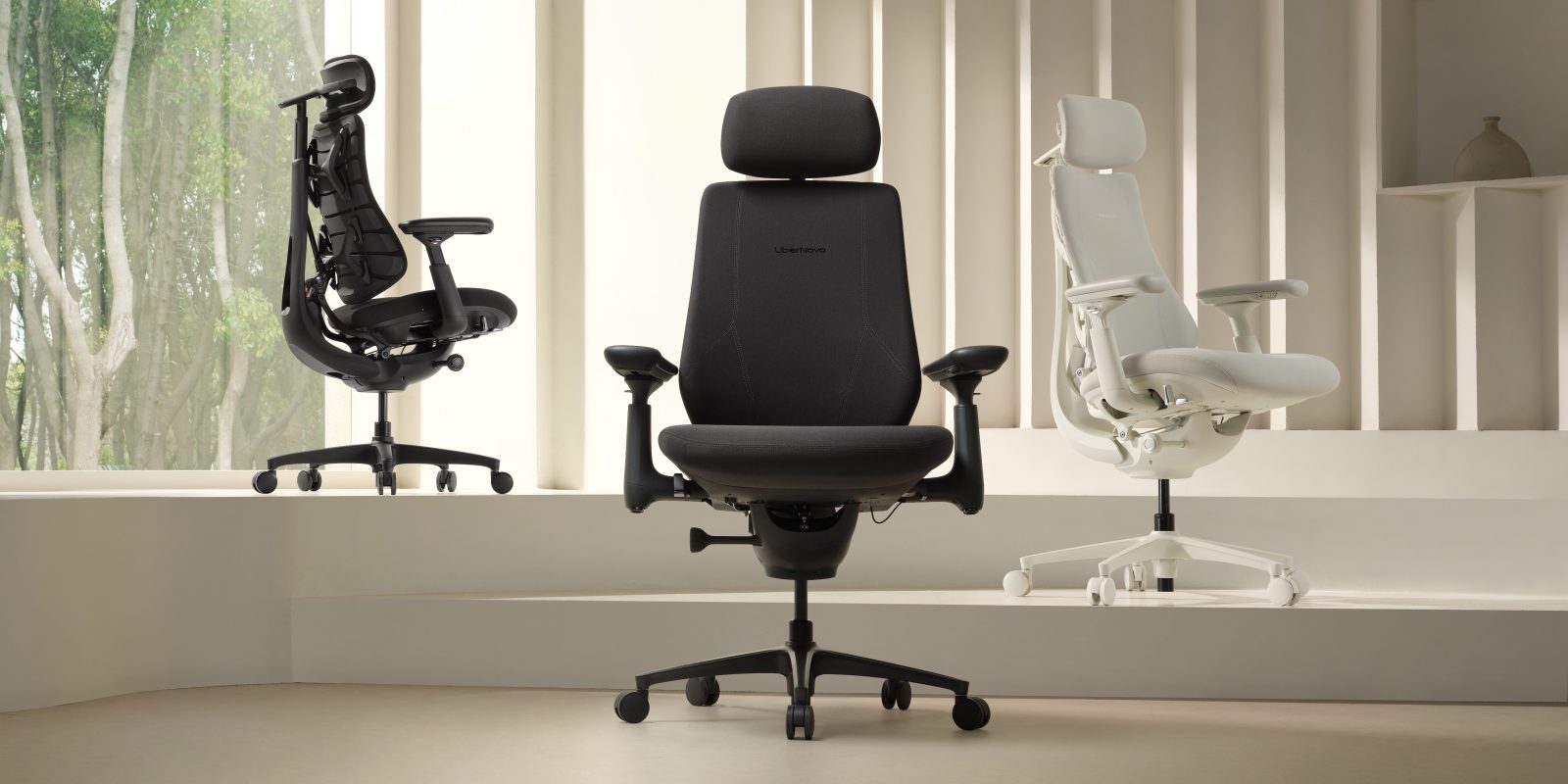
- Omni: Best for people who move frequently while seated. Its dynamic tilt mechanism and breathable mesh back promote airflow and constant micro‑adjustment. Ideal for long hours of multi‑tasking.
- Maxis: A more traditional ergonomic chair with extensive manual adjustments—height, armrests, lumbar, and seat depth. Best for those who prefer a set‑and‑forget posture, like during focused work or gaming.
Both chairs are built for “you,” not the “average Joe,” with customization options for different body shapes. Decide which movement style matches your daily routine.

Source: 9to5google.com Step 5: Evaluate Comfort and Materials
If possible, try the chair in person or read detailed reviews on comfort. Seat cushion density and back support should feel firm but not hard. For LiberNovo, the Omni uses a stretchable mesh that contours to your back, while the Maxis offers high‑density foam with breathable fabric. Check that armrests are wide enough and can be adjusted in 4D (height, depth, width, pivot). Tip: Sit for at least 10 minutes with your typical posture to see if any pressure builds up.
Step 6: Make Your Purchase and Fine‑Tune Setup
After selecting a model (e.g., LiberNovo Omni for dynamic sitters, Maxis for stable support), order from an authorized dealer. Once the chair arrives, take 30 minutes to adjust every feature:
- Set seat height so your feet are flat on the floor, knees at 90°.
- Adjust lumbar support to the curve of your lower back.
- Tilt tension so you can recline comfortably without feeling unstable.
- Position armrests so your shoulders are relaxed and forearms parallel to the floor.
Fine‑tune over a week. Many chairs, including LiberNovo models, come with detailed setup guides. If you feel discomfort after a few days, revisit the adjustments.
Tips for Long‑Term Back Health
- Don’t sit still all day. Even the best ergonomic chair is only a tool—use a timer to remind yourself to stand, stretch, or walk every hour.
- Break in your chair. New foam or mesh may feel different for the first week; give your body time to adapt.
- Pair with good desk ergonomics. Your monitor top should be at eye level, and your keyboard should allow your elbows to stay at a 90° angle.
- Clean and maintain. Wipe down mesh and fabric monthly to prevent dust buildup that can affect comfort and VOCs.
- Consider a footrest if your thighs are not supported fully by the seat cushion—especially for shorter users.
By following these steps, you’ll transform your workspace into a back‑friendly environment. Whether you choose the LiberNovo Omni (dynamic) or Maxis (adjustable), you’re investing in a chair that adapts to your unique shape and movements—not a one‑size‑fits‑all solution. Your back will thank you.
Related Articles
- Nintendo's Latest Financials: Revenue Miss, Profit Beat, and Switch 2 Challenges Ahead
- GameStop’s Bold eBay Bid: From Awkward Interviews to Selling Cards on the Platform
- 7 Ways GeForce NOW Revolutionizes Cloud Gaming: Labels, Games & More
- Transforming Your PS5 into a Linux Gaming PC: Everything You Need to Know
- Savoring Korean Flavors in Tomodachi Life: Living the Dream – A Step-by-Step Guide
- Tomodachi Life: Living the Dream Embraces Korean Cuisine in Unexpected Culinary Expansion
- 7 Alarming Reasons Why a GameStop-eBay Acquisition Would Devastate Pokémon TCG Collectors
- DIY ECN-2 Developer: How to Mix Your Own Lab-Grade Chemicals at Home