Breaking Science: PCOS Renamed, Neanderthals Practiced Dentistry, and Nuclear Blast Created 'Alien' Crystal
Three Major Science Revelations Emerge This Week
Scientists have reclassified Polycystic Ovary Syndrome (PCOS) under a new name to reduce stigma and improve diagnosis, while separate studies reveal Neanderthals performed the world's oldest known dental procedures and the first nuclear bomb test produced a never-before-seen crystalline structure. These discoveries are reshaping our understanding of women's health, early human cognition, and materials science.
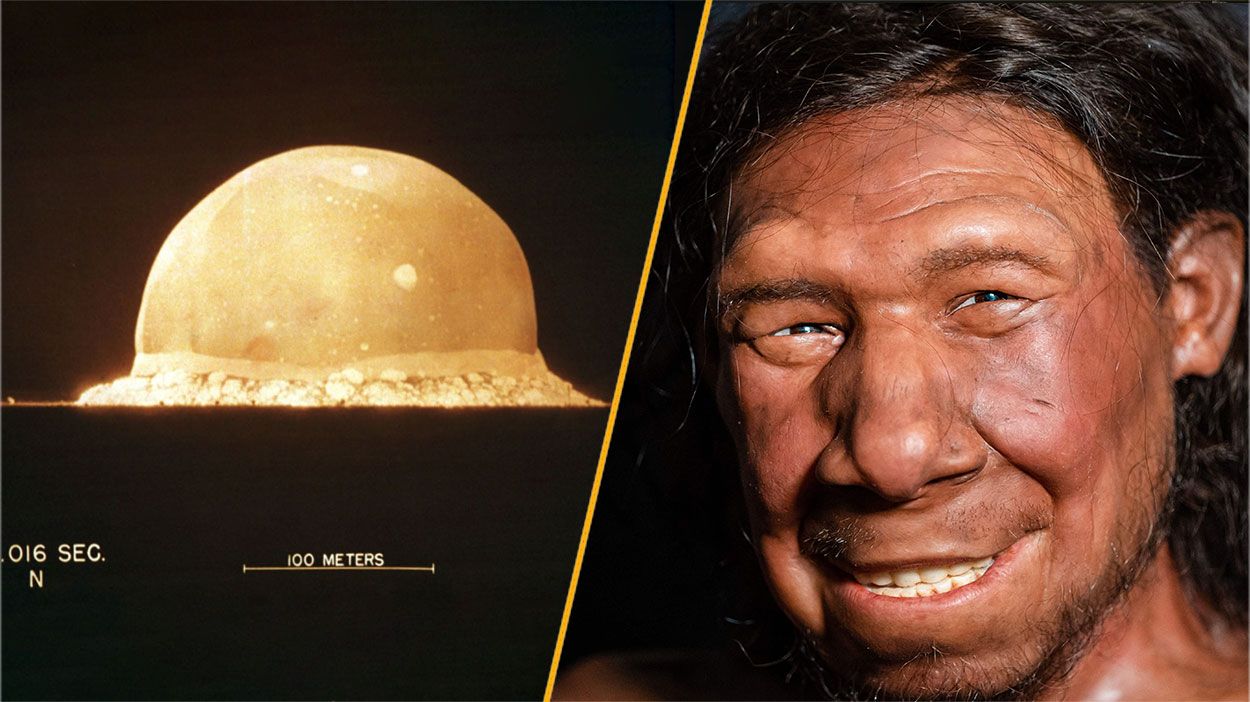
PCOS Gets a New Name: A Shift in Medical Understanding
The medical community has officially renamed Polycystic Ovary Syndrome to reflect a more accurate understanding of the condition. The new term, announced by the Endocrine Society, drops the 'polycystic' label to avoid confusion and stigma.
“The old name focused on ovarian cysts, which many patients don’t have, while ignoring the hormonal and metabolic aspects,” said Dr. Maria Chen, an endocrinologist at Johns Hopkins. “This rename is a step toward better diagnosis and personalized treatment.”
PCOS affects up to 10% of women of reproductive age, causing irregular periods, excess androgen, and insulin resistance. The new name is expected to help patients and doctors recognize the broader syndrome earlier.
Background
The condition was first described in 1935 based on ovarian appearance. Over decades, research revealed it is primarily a metabolic and endocrine disorder. The previous name contributed to misdiagnosis and delayed care.
What This Means
Patients may experience reduced stigma and quicker access to appropriate care. Medical guidelines will be updated, and awareness campaigns can focus on the real underlying issues rather than misleading terminology.
Neanderthals: The World's Oldest Dentists
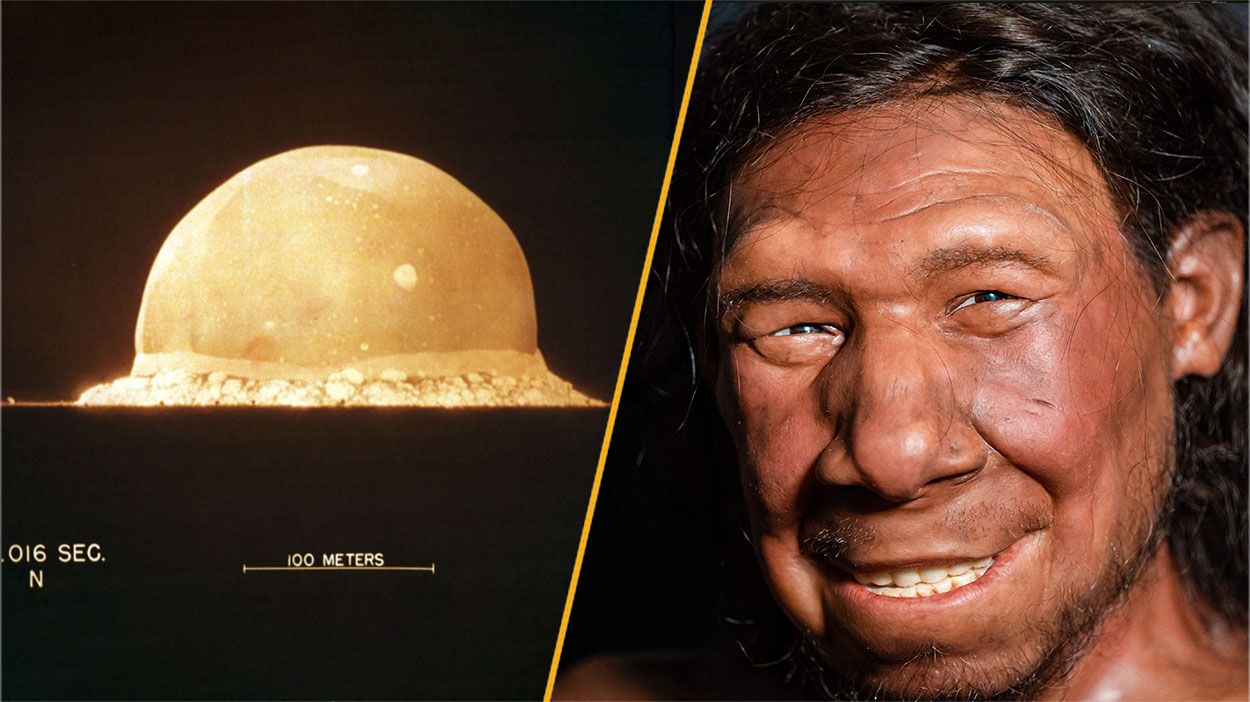
Archaeological evidence from a cave in Belgium now confirms Neanderthals performed dental procedures on themselves and others using sharpened stone tools. The findings, published in Nature, push back the earliest known dentistry by tens of thousands of years.
“We found grooves and scratches on teeth consistent with picking, scraping, and even drilling,” explained Dr. Lena Kowalski, lead archaeologist at the University of Leiden. “This shows Neanderthals had sophisticated medical knowledge and social care.”
Analysis of plaque residue also revealed traces of antiseptic herbs, suggesting Neanderthals attempted to treat infections. This challenges the view of Neanderthals as brutish and highlights their cognitive abilities.
Background
Previous discoveries showed Neanderthals used tools for hunting and woodworking, but evidence of healthcare was limited. These new findings indicate a level of cooperative behavior and skill previously attributed only to modern humans.
What This Means
The discovery reshapes evolutionary narratives, suggesting that complex medical practices emerged earlier than thought. It also raises questions about the transmission of knowledge between Neanderthals and early Homo sapiens.
First Nuclear Bomb Test Created an 'Alien' Crystal
Researchers have identified a unique crystalline structure in trinitite — the glassy residue from the Trinity test in 1945. The material, described as a quasi-crystal with forbidden symmetry, has never been seen in nature before.
“It’s like finding a fingerprint of the explosion frozen in time,” said physicist Dr. Haruto Tanaka of Los Alamos National Laboratory. “This structure could help us understand extreme conditions and even develop new materials.”
Trinitite forms when desert sand is superheated by the blast. The newly discovered crystal has a five-fold symmetry that defies classical crystallography, reminiscent of structures seen in meteorites but never from a human event.
Background
The Trinity test, detonated on July 16, 1945, was the first nuclear explosion. Trinitite has been studied for decades, but advanced imaging techniques now reveal these exotic crystals. They are named 'quasi-crystals' and were first synthesized in the lab in the 1980s.
What This Means
The discovery provides a new tool for analyzing nuclear events and could inform materials science, especially in developing stronger alloys. It also serves as a permanent record of humanity's entry into the atomic age.
These three breakthroughs — in medicine, anthropology, and physics — demonstrate how science continues to challenge our assumptions and expand our knowledge across disciplines. Stay tuned for further updates on each story.
Related Articles
- Safari Technology Preview 243 Brings Major Accessibility and CSS Fixes
- Turn Your Dusty Old Android Into a Free Wi-Fi Extender – Here’s How
- MD5 Collision Attack: A Decade After Flame, Experts Warn of Looming Crypto Crisis
- Swift 6.3 Launches with Unified Build System: A Major Leap for Cross-Platform Development
- Windows 11 File Explorer Gets Long-Awaited File Size Readability and Context Menu Fixes
- Arc Raiders Shifts to Semi-Annual Major Updates; First Content Drop 'Frozen Trail' Promises Expanded Battlegrounds
- Solateria Breaks the Mold: Difficulty Options Don't Sacrifice Challenge in Soulslike Metroidvania
- Navigating May 2026 Patch Tuesday: A Step-by-Step Guide to Securing Your Systems