Web Development Roundup: 3D Voxel Scenes, Flying Focus, and CSS Innovations
Introduction
In the fast-paced world of web development, staying current with the latest tools, techniques, and syntax updates is essential. This roundup explores three standout topics: building stylable 3D voxel scenes with Heerich.js, streamlining component copying with Polypane's snippet store, enhancing focus usability through view transitions and CSS-only methods, and mastering the powerful of <selector> syntax in modern CSS. Plus, we touch on scroll‑driven animations and the latest platform updates from Chrome 148 and Safari 26.5.
3D Voxel Scenes with Heerich.js
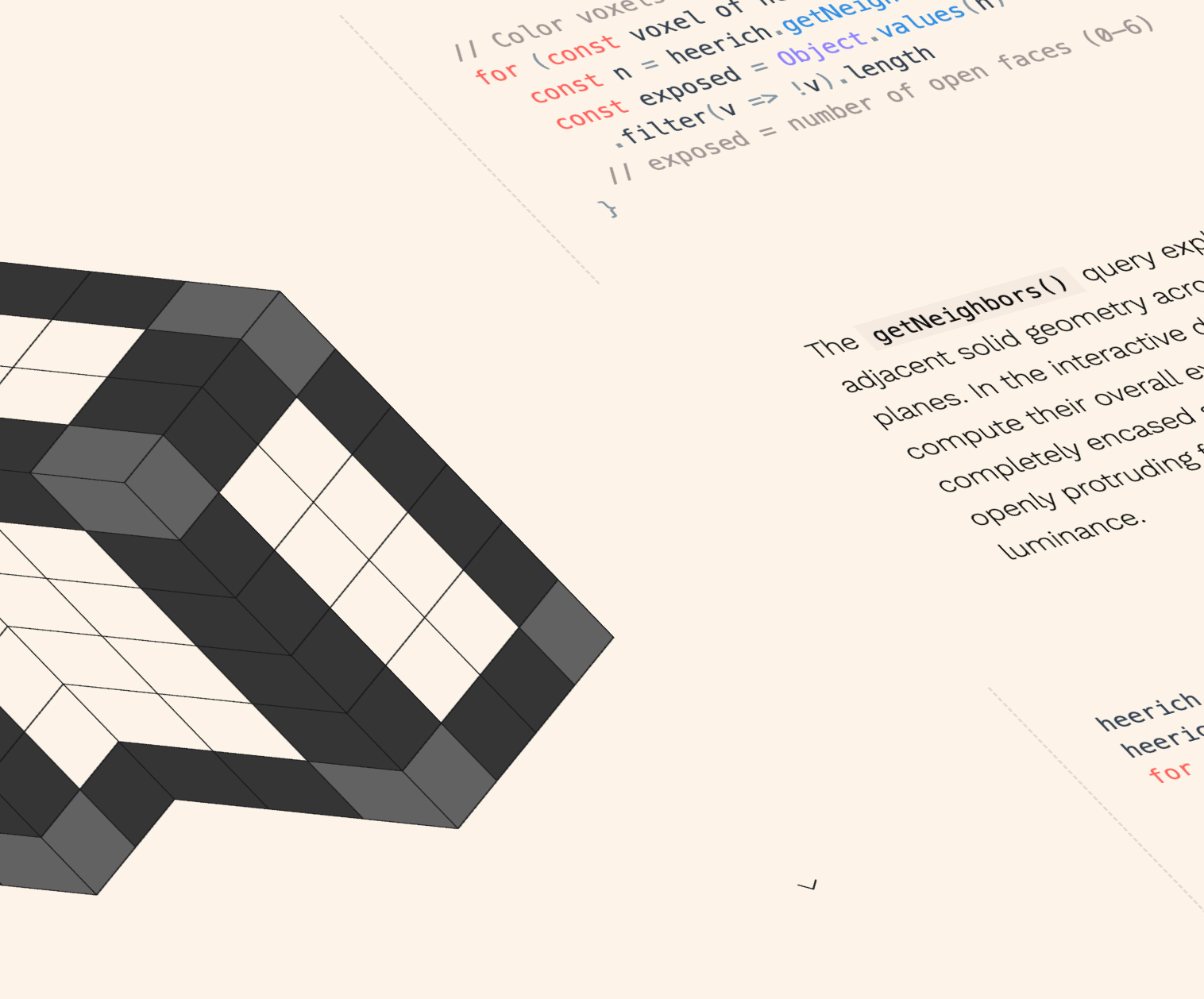
Inspired by the geometric sculptures of Erwin Heerich, developer David Aerne created Heerich.js — a tiny JavaScript engine for generating 3D voxel scenes. These scenes are not only visually striking but also highly practical because they are rendered as SVG. Since SVG supports CSS variables, you can style the entire scene using standard CSS. This means designers can change colors, sizes, or even animate voxels without touching the underlying JavaScript. The result is a seamless blend of 3D graphics and web styling that opens up new possibilities for interactive data visualization and artistic expression.
Polypane Snippet Store
Polypane, often hailed as the ultimate browser for web development, recently launched a snippet store. This tool allows developers to click on a component and copy the basic HTML without any unnecessary bloat. The feature, cheekily named the 1‑Click De‑crapulator, delivers clean, ready‑to‑use markup. It’s a fantastic addition for those who want to reuse common UI patterns quickly, especially when collaborating on design systems or rapidly prototyping new layouts.
Animating Focus with View Transitions
Chris Coyier recently demonstrated how to animate focus using the View Transitions API. The technique smooths the movement of focus indicators, making them easier to track — especially for users with visual or cognitive disabilities. Coyier also discussed the importance of respecting the prefers‑reduced‑motion media query, contrasting his approach with WebAIM's conditional implementation. Agreeing with that thoughtful approach, we find that even with very visible focus states, a well‑animated transition can greatly improve usability.
Adding to the discussion, Kilian Valkhof — founder of Polypane — shared a pure CSS solution for floating focus (also called “flying focus”). This method uses only CSS to create a smooth, persistent focus ring that moves with the user’s keyboard navigation. It’s a lightweight alternative to JavaScript‑heavy implementations, and a great example of the innovation happening around accessibility.

The of <selector> Syntax in CSS
Paweł Grzybek recently reminded the web community that the :nth-child(n of selector) syntax now enjoys broad support, having reached Baseline status. Many developers, however, hadn't even heard of this feature. It allows you to select the nth child only among those matching a given selector. For example:
div:nth-child(2 of .intro) {
  /* selects the second .intro child, but only if it's a div */
}
This is more flexible than :nth‑of‑type, which only works with element types. The of syntax works with any selector, including classes, attributes, or pseudo‑classes. Even better, you can nest it with the parent selector &, as Grzybek showed:
.intro {
  :nth-child(2 of &) {
    /* selects the second .intro within .intro */
  }
}
This opens up powerful, scoped styling patterns. Coincidentally, Preethi Sam published a comprehensive article on the same syntax just a week earlier — a testament to how much there is to learn in modern CSS. Adding her piece to your reading list is highly recommended.
Conclusion
From 3D voxel styling to focus animation techniques and advanced CSS selectors, the web development landscape continues to evolve at a breathtaking pace. Tools like Heerich.js and Polypane streamline creative and coding workflows, while new CSS capabilities give us even finer control over styling and interactivity. Keep exploring, keep building, and as always, stay curious.
Related Articles
- How to Save Big on Switch 2 Games: Preordering Splatoon Raiders and Yoshi
- The Unsung Heroes Behind AI's Coding Abilities: A Stack Overflow Co-Founder's Tribute
- Breaking: Samsung Galaxy S26 One UI 9 Beta Goes Live in Three Countries
- Mastering Direct Examination: Lessons from a High-Profile Courtroom Blunder
- Step-by-Step Guide: In-Place Vertical Scaling for Pod-Level Resources in Kubernetes v1.36
- The USB Drop Attack: A Modern Penetration Testing Guide
- React Native 0.82: Embracing the New Architecture and Beyond
- Facepunch Strikes Back: S&box Update Takes Aim at AI-Generated Thumbnails