Social Media Bans for Youth: Lawmakers Rely on Flawed Science, Experts Warn
Breaking: Lawmakers Rush to Ban Youth Social Media Based on Shaky Evidence
State legislatures across the U.S. are advancing bills to restrict or ban social media access for minors, citing a “public health epidemic” and a “mental health crisis.” But digital rights advocates and independent researchers warn the scientific foundation for these measures is far from settled.
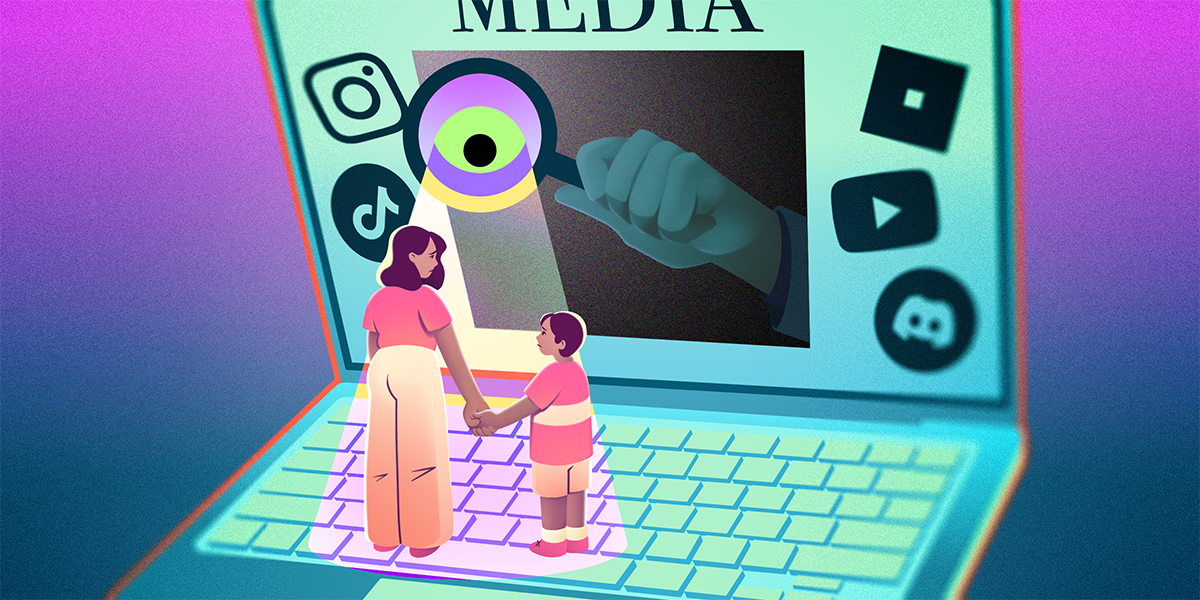
“The rush to ban access to digital platforms is being fueled by pop psychology narratives and statistically flawed studies,” said a spokesperson for the Electronic Frontier Foundation (EFF). “These do not meet the rigorous standards required for such a massive infringement on youth autonomy and constitutional rights.”
The Evidence Gap
The legislative push relies heavily on a specific media-friendly theory: that smartphones and social media are rewiring adolescent brains, driving global increases in anxiety, depression, and self-harm. However, independent meta-analyses covering dozens of countries have failed to show a consistent, measurable association.
“We are seeing a classic case of correlation being sold as causation,” noted a developmental psychologist from the University of California, Irvine, who requested anonymity due to the political sensitivity. “Large-scale studies often exclude alternative explanations like pandemic isolation, school gun violence, and economic stress.”
Researchers at Brown University have similarly found the evidence “mixed, blurry, and often contradictory.” A 2024 review published in Nature Human Behaviour concluded that the link between social media and teen well-being is weak and inconsistent.
Background
Since early 2025, at least 15 states—including California, Massachusetts, and Minnesota—have introduced bills targeting youth social media use. Many draw on the work of social psychologist Jonathan Haidt, whose book The Anxious Generation argues that digital platforms are causing a “great rewiring” of childhood.
“This narrative makes for a compelling airport-bookstore read, but it collapses under scrutiny from the broader scientific community,” the EFF spokesperson said. Haidt’s critics point out that his analyses often rely on correlational data and fail to control for pre-existing mental health conditions or other societal factors.
Digital rights organizations like the EFF emphasize that young people enjoy free speech and privacy rights comparable to adults. “Blanket bans ignore the nuanced reality that many teens benefit from online communities,” said a policy analyst at the Center for Democracy & Technology.

What This Means
Impending Legislation Could Violate Constitutional Rights: If enacted, these laws would likely face First and Fourteenth Amendment challenges. Courts have historically protected minors’ speech unless the government demonstrates a compelling interest and uses the least restrictive means.
Youth Autonomy at Risk: Proponents of bans often overlook that social media provides vital support for LGBTQ+ teens, those with rare diseases, or kids in isolated areas. “Removing that lifeline could cause more harm than good,” said Dr. Lisa Choi, a child psychologist at Boston Children’s Hospital.
Calls for Better Science: Experts urge lawmakers to fund longitudinal, randomized controlled trials before implementing sweeping restrictions. “We need robust evidence, not moral panic,” said background researcher Dr. James Park of Brown University. “Policymakers should listen to developmental psychologists, not just clickbait headlines.”
Immediate Action Needed: With 2026 sessions looming, digital rights groups are mobilizing to educate legislators. The EFF has published a guide for lawmakers outlining the weak scientific basis and alternative approaches, such as media literacy programs and platform transparency requirements.
As the debate intensifies, one thing is clear: the science is not settled. “Legislating based on shaky evidence threatens both youth well-being and democratic freedoms,” the EFF concluded. “We must demand more before we ban.”
Related Articles
- Navigating New Pharmaceutical Frontiers: A Guide to Policy Shifts on Antidepressants and Combination Therapies for IBD
- From Nuclear Waste to Lifesaving Drugs: The Race to Secure Radioactive Isotopes
- Closing the Care Gap: Why Recruiting More Men Into Nursing Is Essential
- How to Use AI-Powered Recommendation Algorithms to Discover Drugs for 'Undruggable' Diseases
- Inside Cigna's ACA Exit: Key Questions Answered
- How to Stay Informed About FDA Decisions on Compounded Obesity Drugs and Leadership Changes
- How to Build a Real-Time Privileged Access Monitoring Stack with Boundary and Auditbeat
- Deadly Amoebas Spreading Rapidly as Climate Change Heats Up Water Systems