Debunking Common Rooftop Solar Misconceptions: What Homeowners Need to Know
Introduction
Rooftop solar has become an increasingly popular choice for homeowners seeking to reduce energy costs and environmental impact. Yet, despite its proven benefits, many still hesitate due to persistent myths and misconceptions. This article directly addresses the four most common concerns, providing factual clarity to help you make an informed decision.
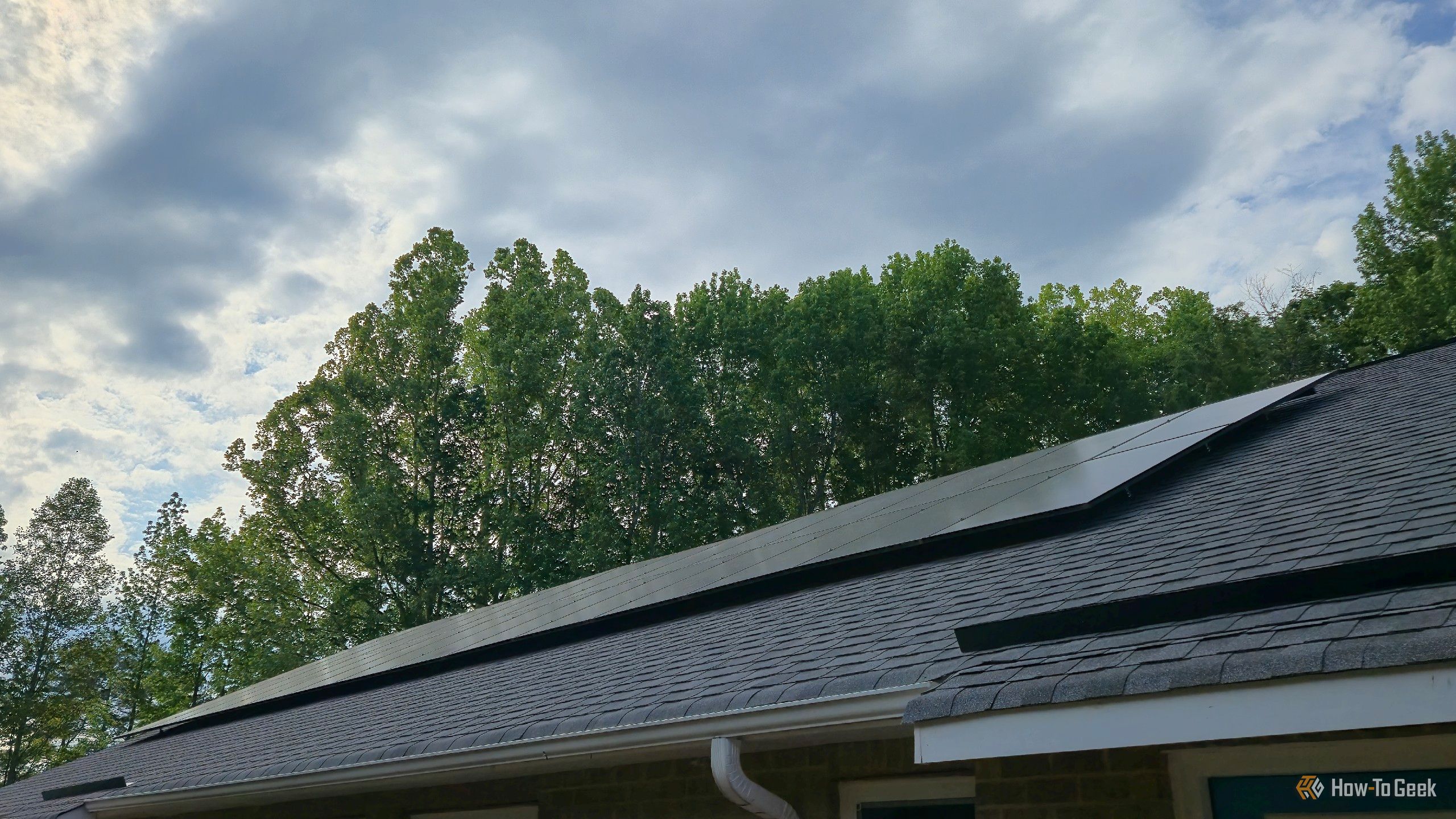
Myth 1: Solar Panels Are Too Expensive
One of the biggest barriers is the perceived high cost of installation. However, the financial landscape has shifted dramatically in recent years.
Upfront Costs vs. Long-Term Savings
The initial investment for a residential solar system can range from $10,000 to $25,000, depending on size and location. Yet, this expense is offset by substantial long-term savings. According to the U.S. Department of Energy, homeowners can save an average of $1,000 to $2,000 annually on electricity bills, with systems paying for themselves within 6–10 years.
Incentives and Financing Options
Federal tax credits, such as the Investment Tax Credit (ITC), allow you to deduct 30% of system costs from your federal taxes. Many states and utilities offer additional rebates, performance-based incentives, and net metering programs. Furthermore, solar loans, leases, and power purchase agreements (PPAs) eliminate the need for large upfront payments, making solar accessible to more households.
Myth 2: Solar Panels Don't Work in Cloudy or Cold Climates
A common belief is that solar panels require constant direct sunlight to be effective. In reality, modern photovoltaic technology is far more versatile.
Efficiency in Various Weather Conditions
Solar panels generate electricity from daylight, not just direct sunlight. Even on overcast days, they can produce 10–25% of their rated capacity. Cold temperatures actually improve panel efficiency, as electrical conductivity increases in cooler conditions. Countries like Germany and Canada, known for cloudy winters, are global leaders in solar adoption. Snow can even enhance performance by reflecting light onto panels, though heavy accumulation may require occasional clearing.
Myth 3: Solar Panels Require Constant Maintenance
Homeowners often worry about ongoing upkeep, but solar systems are designed for durability and low maintenance.
Durability and Cleaning Needs
Most panels come with 25-year warranties and are built to withstand hail, wind, and rain. They require minimal cleaning—usually just rainwater rinsing off dust and debris. In arid areas or after prolonged drought, an occasional gentle rinse with a hose is sufficient. Professional inspections every few years ensure optimal performance, but no regular intervention is needed. Unlike roofs or HVAC systems, solar panels have no moving parts, reducing wear and tear.
Myth 4: Rooftop Solar Means Going Off-Grid
Many assume that installing solar panels forces you to disconnect from the utility grid, which can be intimidating. However, the vast majority of residential systems remain grid-connected.
Grid-Tied Systems and Net Metering
Grid-tied solar systems allow you to draw power from the utility when your panels aren't producing (e.g., at night) and feed excess energy back to the grid during sunny periods. Net metering programs credit you for this surplus, effectively spinning your meter backward. This arrangement provides reliability and often results in lower monthly bills. Going off-grid is a separate, more expensive option that requires battery storage and is rarely necessary for typical homeowners.
Conclusion
Rooftop solar myths often stem from outdated information or misunderstandings. In reality, solar technology is affordable, efficient in diverse climates, low-maintenance, and compatible with the existing grid. By addressing these four common concerns, homeowners can move forward with confidence, reaping the financial and environmental rewards of clean energy.
Related Articles
- Streamlining Large-Scale Dataset Migrations with Automated Agents and Fleet Orchestration
- Massachusetts Unveils Landmark Speed-Based Micromobility Law as First in Nation
- Australia's Data Centre Growth: Energy Opportunity or Environmental Crisis?
- Beyond Small Talk: How Mothers Are Using Conversation Cards to Connect Deeply
- Navigating the EU's Weights and Dimensions Directive: A Guide to Securing Zero-Emission Heavy-Duty Vehicle Agreements
- VinFast's Electric 7-Seater MPV 7 Launches in the Philippines, Marking Asian Expansion
- Rivian Supercharges LA Retail Hubs with 150+ Fast Chargers and New Showrooms
- Global EV Divergence: Insights from Auto China 2026 and the US Market