Citing 'Shaky Science,' Experts Warn Social Media Bans for Youth Could Backfire
Breaking: Lawmakers Rush to Ban Youth Social Media Despite Weak Evidence
A wave of state bills targeting social media access for young people is being fueled by what digital rights advocates call 'shockingly shaky science.' From California to Minnesota, legislators are labeling the issue a 'public health epidemic' even as independent researchers say the evidence is far from settled.
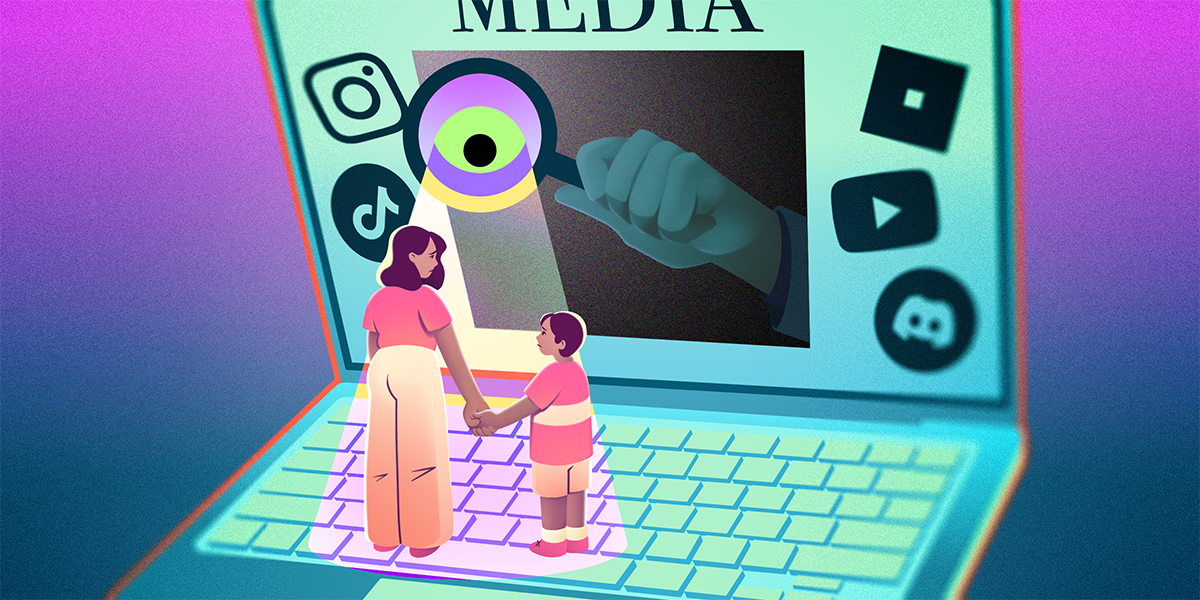
'The studies used to justify these sweeping bans do not meet rigorous standards required for such a massive infringement on youth autonomy and constitutional rights,' said a spokesperson for the Electronic Frontier Foundation (EFF), a digital rights group. EFF argues that young people enjoy largely the same free speech and privacy rights as adults.
Background: The 'Great Rewiring' Narrative Under Fire
Proponents of the ban, including influential author Jonathan Haidt, claim smartphones and social media have rewired adolescent brains, causing a global rise in anxiety, depression, and self-harm. But large-scale meta-analyses covering dozens of countries have failed to find a consistent link.
'Independent researchers from UC Irvine and Brown University have repeatedly found the evidence is mixed, blurry, and often contradictory,' the EFF noted. 'Correlation is being sold as causation.'
What This Means: A Misguided Crackdown on Youth Rights
If passed, these laws would restrict access to essential online communities and information for millions of teens. Critics argue they overlook real drivers of mental health struggles—like pandemic isolation, school gun violence, and economic stress—in favor of a simple tech villain.

'Blanket bans based on pop psychology and flawed studies could do more harm than good,' said a developmental psychologist. 'We need nuanced policies, not legislative panic.'
Key Facts at a Glance
- Multiple states are considering bills to ban or restrict social media for minors under 16.
- Evidence cited relies heavily on Jonathan Haidt's 'anxious generation' theory, which critics call scientifically unproven.
- Alternative explanations for rising teen distress—climate anxiety, gun violence—are often excluded in key studies.
What Experts Are Saying
- 'This is a classic example of pop psychology driving policy.' — EFF spokesperson
- 'The rush to regulate ignores the settled science of free speech.' — Digital rights attorney
For more on the constitutional concerns, see our analysis of youth privacy and free speech.
Related Articles
- Water Sample from Irish River Reveals First-Ever Detection of Deadly Amphibian Fungus
- 10 Key Changes in Phasmophobia's Latest Character Update
- When Safety Nets Become Traps: Rethinking Scale Defenses
- Decoding Medicare's Cost Projections: Why the Leqembi Alzheimer's Drug Estimate Missed the Mark
- 10 Key Shifts in Trump’s Surgeon General Pick and What They Mean for Your Health
- The Science Behind Honey as a Traditional Remedy
- Isomorphic Labs Nears $2 Billion Funding Round to Advance AI-Driven Drug Discovery
- How to Stay Informed About FDA Decisions on Compounded Obesity Drugs and Leadership Changes