Mastering the Google Fitbit Air: A Comprehensive Setup Guide with AI Coach Insights
Overview
The Google Fitbit Air represents a strategic shift in the fitness tracker market for 2026. Unlike traditional smartwatches, this minimalist band prioritizes data collection over wrist-based computing, drawing clear inspiration from competitors like Whoop. Based on early usage, the Air delivers exceptional comfort and reliable sensor reading—but its built-in AI coach can sometimes generate unreliable advice, a phenomenon the team calls "hallucinations." This tutorial will guide you through unboxing, pairing, customizing, and effectively using the Fitbit Air while helping you navigate the quirks of its artificial intelligence features.
Prerequisites
Before you begin, ensure you have the following:
- A Google Fitbit Air device with a charged battery
- A compatible smartphone (iOS 16+ or Android 12+)
- A Google Account
- The latest version of the Fitbit app installed on your phone
- A stable internet connection for initial setup and AI coach functionality
Step-by-Step Instructions
1. Unboxing and Initial Setup
Carefully remove the Fitbit Air from its packaging. You will find the tracker band, a charging cable with a proprietary magnetic connector, and a quick-start guide. Hold the band near your forehead and tap it gently—this is a known ritual to ensure the onboard accelerometer responds. Press and hold the side button for three seconds to wake the display. The device will prompt you to download the Fitbit app if not already installed.
2. Pairing with the Fitbit App
Open the Fitbit app and tap "Add Device." Select "Fitbit Air" from the list. The app will initiate a Bluetooth pairing request. Approve the pairing and allow the app to access location and activity permissions. Once connected, the app will guide you through a quick setup wizard where you can set your age, weight, height, and daily activity goals. Make sure to enable the AI coach feature during this step if you wish to use it—you can always adjust later in the settings menu under Coach > AI Coach.
3. Wearing the Fitbit Air Correctly
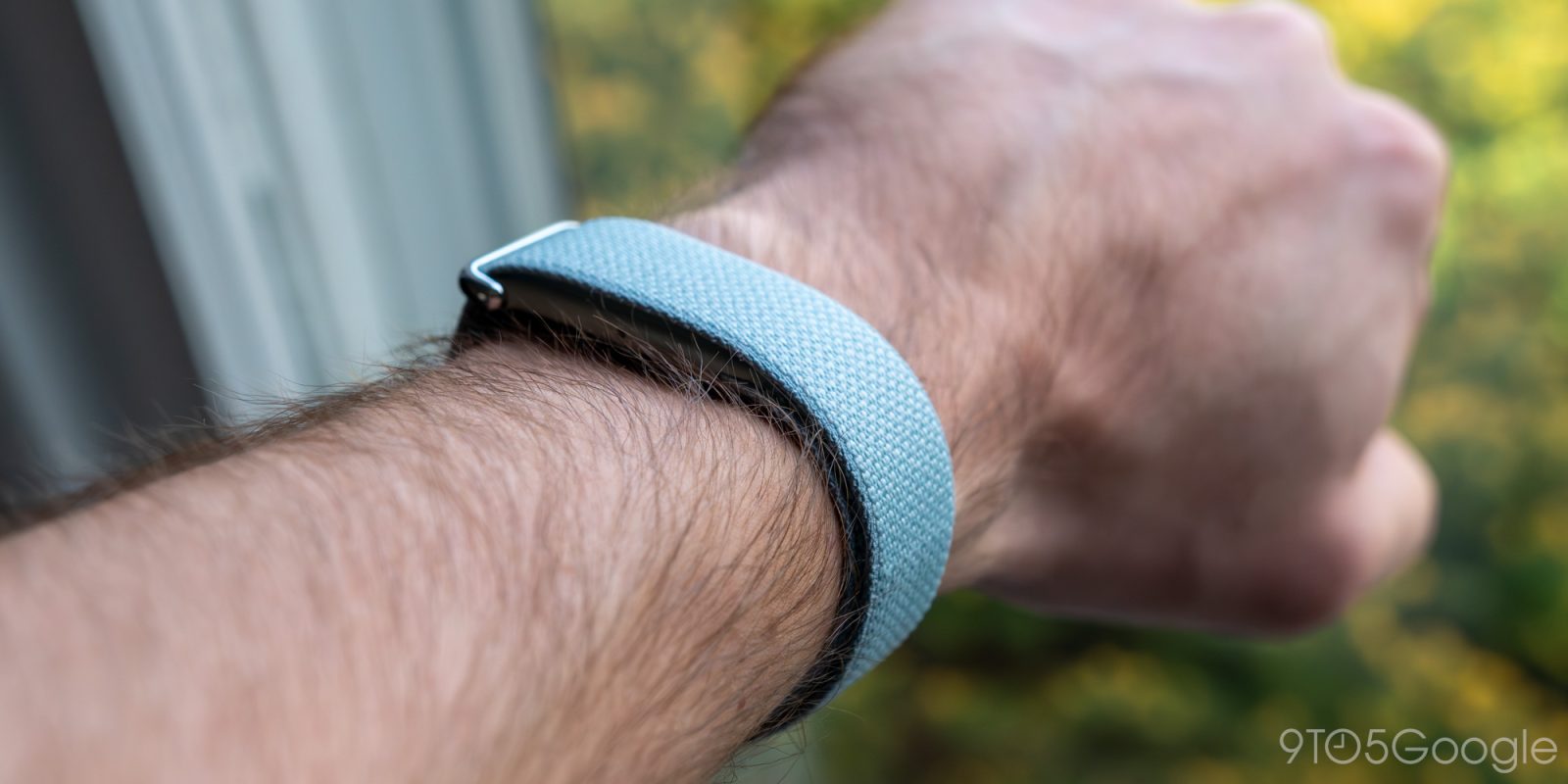
Slip the band onto your non-dominant wrist with the sensor array facing upward. The band uses a proprietary weave material that is extremely comfortable for 24/7 wear, including sleep tracking. Adjust the band so it fits snugly but not too tight—you should be able to slide one finger underneath. The optical heart rate sensor works best when the band is in direct contact with your skin and not obstructed by clothing or sweat.
4. Calibrating Sensors and Baseline Readings
After wearing the device for at least four hours, the app will begin collecting baseline heart rate, sleep patterns, and movement data. For accurate AI coaching, it is crucial to wear the tracker consistently during the first 48 hours. The system needs this data to train its initial models. You can check your baseline readiness in the app under Dashboard > Baselines. When the app shows a green checkmark, your data is ready.
5. Activating and Using the AI Coach
The AI Coach appears as a card on your app dashboard. Tap it to open a conversational interface where you can ask questions like "How did I sleep?" or "Should I train today?" The coach uses your recent data combined with large language model reasoning to provide personalized advice. However, be aware that early reports indicate the AI can sometimes generate advice that contradicts physiological norms—a phenomenon known as hallucination. For example, it might suggest intense workout immediately after a poor night of sleep without considering recovery. Always use common sense and cross-check with established training principles.
6. Interpreting Daily Metrics
The Fitbit Air tracks multiple metrics:
- Readiness Score (0-100): Based on heart rate variability, sleep quality, and recent activity. A score below 30 suggests rest day.
- Stress Markers: Continuous HR monitoring with trend alerts.
- Sleep Stages: Light, deep, REM with a latency measure.
- Activity Minutes: Zone minutes based on heart rate intensity.
These metrics appear in the app's main dashboard. Tap any metric to see a detailed graph. For AI Coach integration, you can ask the coach to explain a metric in simpler terms.

7. Troubleshooting AI Coach Hallucinations
If you receive advice that seems off (e.g., "You only need 4 hours of sleep per night"), follow these steps:
- Double-check your sensor placement and ensure the band is snug.
- Reboot the device by holding the side button for 10 seconds until the logo appears.
- Clear the AI Coach conversation history in app settings under Coach > Reset Conversations.
- If the problem persists, report the conversation to Google via the in-app feedback form. The company acknowledges these hallucinations and is working on live guardrails.
Common Mistakes
Mistake 1: Over-relying on AI Coach for Health Decisions
The AI Coach is a helpful tool, but it is not a licensed medical professional. Many users fall into the trap of following its advice blindly. Always cross-check with your own feelings and, if necessary, consult a real coach or doctor. The Fitbit Air is primarily a data collection device—it excels at giving you raw numbers, not perfect interpretations.
Mistake 2: Wearing the Band Too Loosely
A loose band causes the optical sensors to lose skin contact, leading to incorrect heart rate and sleep staging. You may notice your readiness score fluctuating wildly. Ensure a snug fit, especially during sleep. Check the skin contact indicator in the app's sensor status page.
Mistake 3: Ignoring Band Maintenance
The Air's fabric band can accumulate sweat and dirt, which may cause skin irritation or reduce sensor accuracy. Remove the band every three days and rinse it with mild soap and water. Let it air dry completely before reattaching.
Mistake 4: Skipping the Baseline Calibration Period
Some users immediately ask the AI Coach for deep insights without giving the tracker time to learn their baseline. This results in generic advice or even hallucinations because the model lacks personalized data. Commit to 48 hours of consistent wear before relying on the coach.
Summary
The Google Fitbit Air offers an ultra-comfortable, data-focused tracking experience that competes directly with Whoop. Its AI Coach brings conversational insights to your biometrics, but early versions can hallucinate, so you must apply critical thinking. By following this setup guide—calibrating sensors, wearing the band correctly, and knowing how to reset the AI Coach when needed—you can maximize the device's potential while avoiding common pitfalls. Remember: The Fitbit Air is a tool for data, not a substitute for human intuition.
Internal Navigation
Related Articles
- 6 Key Moments from the Artemis II Crew’s Nasdaq Closing Bell Ceremony
- Jellyfish Bycatch Emerges as Unexpected Goldmine for Cosmetics and Biotechnology
- New Cambrian Fossil Discovery Reshapes Our Understanding of Early Animal Evolution
- Adobe and Academic Partners Unveil Breakthrough in Video AI Memory Retention
- Transform Your Space: A Complete Guide to Using a Galaxy Projector
- Deploy AI Agents with Amazon WorkSpaces: A Step-by-Step Setup Guide
- Amazon WorkSpaces Grants AI Agents Direct Access to Legacy Desktop Applications — No Modernization Required
- Charting a Post-Fossil Future: Lessons from the Colombia Climate Summit