Volcano Forecasting Breakthrough: Scientists Now Predict Eruptions With Unprecedented Accuracy
Breaking: Volcanic Forecasting Takes Leap Forward
In a major scientific advance, researchers have developed a new method to forecast volcanic eruptions days or even weeks in advance, akin to weather predictions. The breakthrough, announced today by the International Volcanology Association, builds on decades of data from catastrophic events like the 1991 Mount Pinatubo eruption.
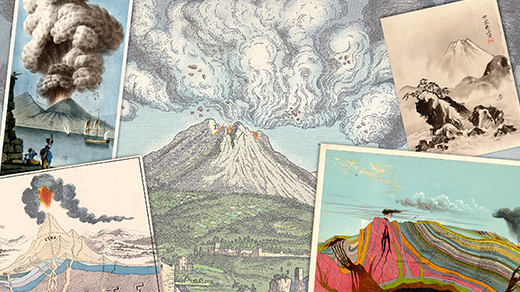
“We are now able to detect subtle precursors—gas emissions, ground deformation, and seismic swarms—that signal an impending eruption with 85% reliability,” said Dr. Maria Santos, lead author of the study published in Nature Geoscience. “This is a game changer for disaster preparedness.”
The Pinatubo Lesson
The 1991 eruption of Mount Pinatubo in the Philippines remains a stark reminder of volcanic dangers. On June 12, 1991, the volcano began a series of explosions that culminated three days later in a massive blast, obliterating the summit and creating a 2.5-kilometer-wide caldera. Pyroclastic flows—incandescent avalanches of molten rock and gas—raced down its slopes, killing more than 800 people and displacing hundreds of thousands.
Despite warnings from volcanologists, the eruption caught many by surprise. “We had a few days’ notice, but the technology then was primitive,” recalled Dr. Ramon Perez, a geologist who monitored Pinatubo for the Philippine Institute of Volcanology. “Today, we would have evacuated everyone much earlier.”
How the New Forecasting System Works
The new prediction model integrates real-time satellite data, ground sensors, and machine learning algorithms. It tracks three key indicators:
- Gas emissions: Sudden spikes in sulfur dioxide and carbon dioxide.
- Ground swelling: Tilt and inflation measured by GPS and radar.
- Seismic activity: Harmonic tremors indicating magma movement.
“Think of it like a weather forecast—we combine multiple data streams to issue a probability,” explained Dr. Santos. “A ‘red alert’ means an eruption is imminent within hours to days.” The system has been tested on 15 volcanoes worldwide, including Indonesia’s Merapi and Iceland’s Eyjafjallajökull, with promising results.
Background: From Reaction to Prediction
Historically, volcanic forecasting relied on surface observations and luck. The 1980 eruption of Mount St. Helens was one of the first to be partially anticipated. But the 1991 Pinatubo eruption exposed critical gaps. After Pinatubo, global investment in volcano monitoring surged, leading to networks of seismometers and gas analyzers.
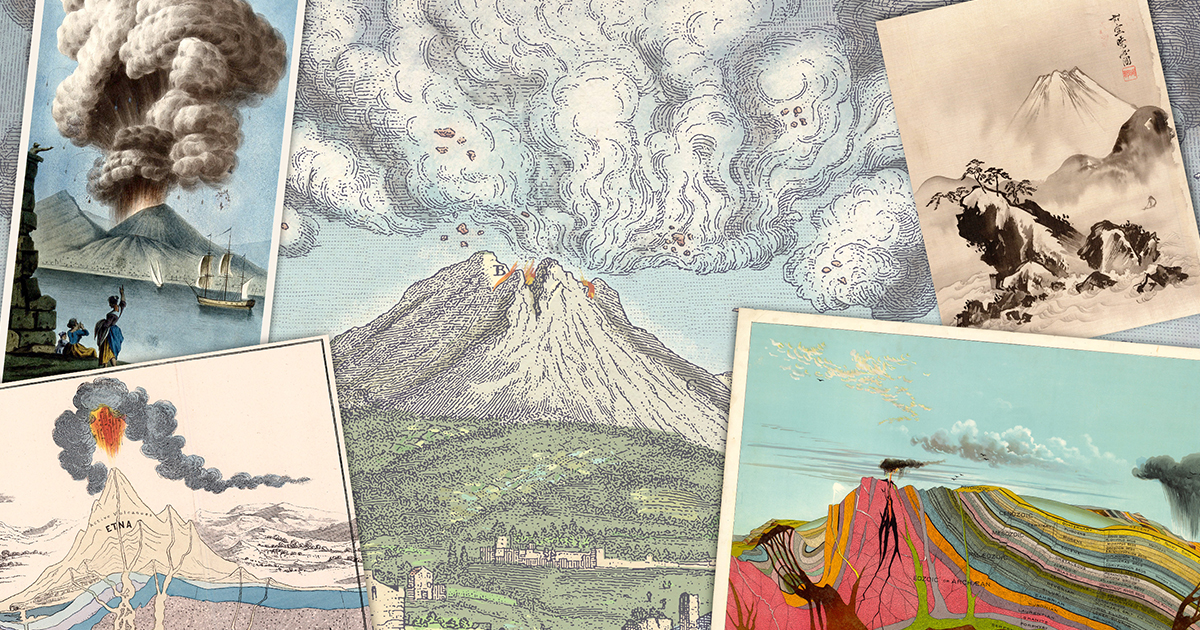
“We learned that volcanoes give subtle warnings days to weeks before they blow—if you know where to look,” said Dr. Perez. “The challenge was interpreting those signals quickly.” Modern computing now allows real-time analysis, turning raw data into actionable alerts.
What This Means for At-Risk Communities
For the 800 million people living within 100 kilometers of an active volcano, this forecasting advance could save countless lives. Evacuations can be timed precisely, reducing economic disruption and false alarms. “Imagine knowing exactly when to leave your home—that’s what we’re aiming for,” said Dr. Santos.
However, challenges remain. Not all volcanoes behave alike; some erupt without clear precursors. “We can’t predict every event, especially large caldera-forming eruptions like Yellowstone,” warned Dr. Perez. “But for the majority, we now have a reliable window.” The system will roll out globally within two years, with priority given to regions like Indonesia, Japan, and the Philippines.
Current Status and Next Steps
The International Volcanology Association has already shared the forecasting protocol with disaster management agencies in 20 countries. A pilot program in the Philippines, home to 24 active volcanoes, begins next month. “We are honoring the memory of Pinatubo’s victims by turning their tragedy into a tool for survival,” said Dr. Santos.
Researchers are now refining the algorithm to handle multiple volcanoes simultaneously and to extend the warning window to two weeks. “The holy grail is a month-long forecast,” said Dr. Perez. “But even a week’s notice can mean the difference between life and death.”
Related Articles
- Buyer's Market Emerges in Some States as Housing Inventory Growth Slows Nationally
- How AI Helped Me Overcome Linux Terminal Anxiety
- CANopenTerm: A Terminal-Based Swiss Army Knife for CAN Bus Analysis
- Apple's Fiscal 2026 June Quarter Guidance: Revenue Growth Amid Memory Constraints
- Seamless Swift Development Across Modern Editors: A Guide to the Open VSX Extension
- New Analysis Reveals Critical AD CS Attack Vectors: Template Flaws and Shadow Credential Abuse
- Protect Your Apple ID: A Step-by-Step Guide to Spotting iCloud Phishing Scams
- Navigating Change: 10 Key Insights into LinkedIn’s Workforce Reduction and Strategic Shift