How to Buy an Affordable Electric SUV Under $40,000 (5 Top Models)
Introduction
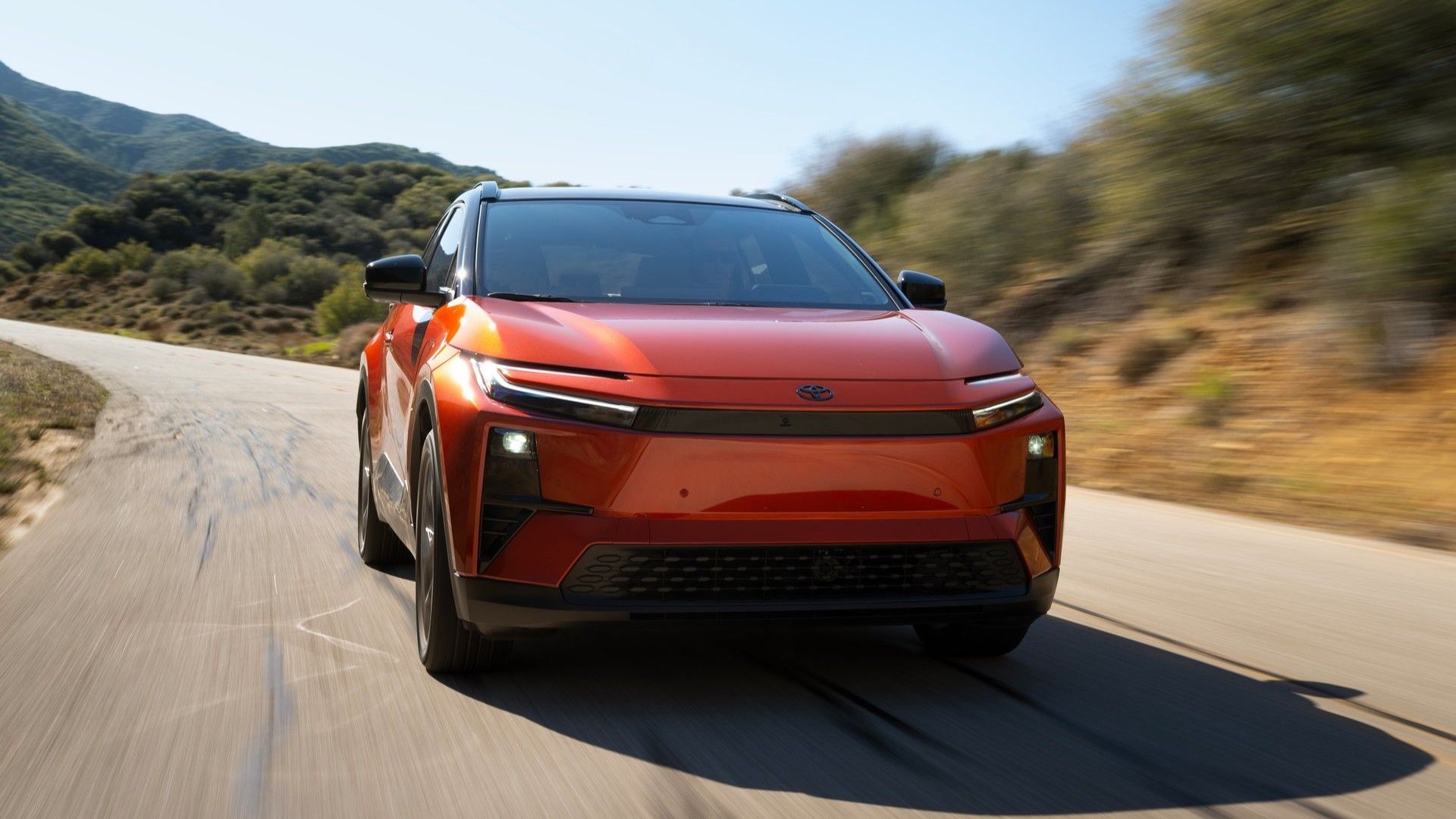
Switching to an electric SUV doesn’t have to break the bank. You can now snag a reliable, feature-packed electric crossover for under $40,000—no compromises on range or comfort. This guide walks you through the key steps to find the perfect affordable EV SUV, highlighting five standout models that prove you can save at the pump without overspending on your monthly payment.
What You Need
- Your budget ceiling – Know the max price ($40,000) and factor in taxes, fees, and potential incentives.
- Priorities list – Range, cargo space, charging speed, tech features, and brand reliability.
- Online research tools – Websites like EV-database.org, Consumer Reports, and manufacturer sites.
- Test drive access – Locate dealers or used EV lots near you.
- Charging plan – Home charger availability or proximity to public fast chargers.
Step 1: Set Your Budget and Priorities
Before exploring models, decide exactly how much you can spend. The magic number here is $40,000, but remember that many states offer additional EV incentives or rebates that can lower the effective price. List your top three must-haves—like 250+ miles of range, all-wheel drive, or a panoramic sunroof. This will later help you narrow down the five candidates below.
Step 2: Explore Top Models Under $40,000
Here are five electric SUVs that currently fit comfortably below the $40k mark (before incentives). Click any model to jump directly to its details.
Chevrolet Bolt EUV
MSRP starts around $28,000. With 247 miles of range, the Bolt EUV is the most affordable EV crossover. It offers a roomy interior, standard 10.2-inch infotainment, and available Super Cruise hands-free driving assist. Ideal for cost-conscious buyers who want a practical daily driver.
Hyundai Kona Electric
MSRP starts around $34,000. This subcompact SUV delivers 258 miles of range and a peppy 201-hp motor. It includes smart cruise control, lane-keeping assist, and a 10.25-inch screen. The 2024 model qualifies for up to $7,500 in federal tax credits if leased.
Kia Niro EV
MSRP starts around $34,500. With 253 miles of range and a stylish, eco-friendly interior, the Niro EV is a strong contender. It comes standard with vehicle-to-load (V2L) capability, allowing you to power appliances. Combined with Kia’s 10-year warranty, it’s a smart long-term investment.
Volkswagen ID.4 Standard
MSRP starts around $38,500. VW’s first mainstream EV crossover offers 209 miles of range (Standard) but jumps to 275 miles in the Pro model (slightly over $40k). The ID.4 boasts a sleek interior, over‑the‑air updates, and three years of unlimited fast charging at Electrify America.
Nissan Ariya Engage
MSRP starts around $39,000. The base Ariya delivers 216 miles of range and a quiet, upscale cabin. It features Nissan’s ProPILOT Assist and a 12.3-inch dual-screen setup. While the range is lower than others, its build quality and comfort make it a great value at this price point.
Step 3: Compare Range and Charging
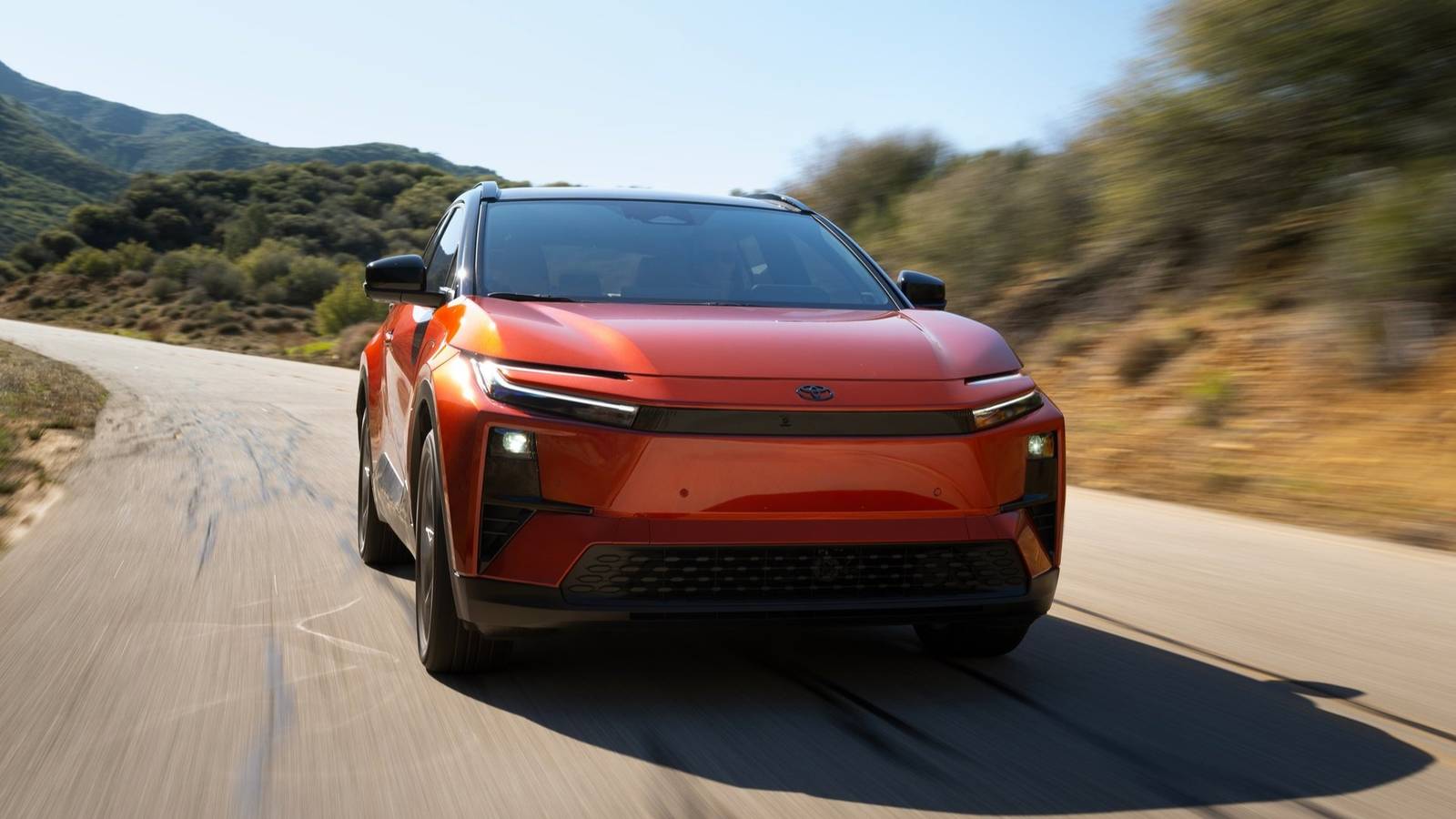
Once you have your shortlist, compare real-world range and charging speed. The Chevrolet Bolt EUV and Hyundai Kona Electric offer the best range for the money. For fast charging, the Kia Niro EV and VW ID.4 support up to 100‑125 kW, meaning you can add 60‑80 miles in about 20 minutes. Factor in how often you’ll use public chargers versus home overnight charging.
Step 4: Check Tax Credits and Incentives
Federal and state incentives can lower your effective price significantly. The Chevrolet Bolt EUV and Hyundai Kona Electric currently qualify for the $7,500 federal tax credit (subject to income limits). Additionally, many states offer rebates from $1,000 to $5,000. Use the IRS’s qualified vehicle list and your state’s energy office website to confirm eligibility.
Step 5: Take a Test Drive and Decide
Nothing beats seat time. Schedule test drives for your top two or three models. Pay attention to cabin comfort, acceleration feel, and visibility. Check if the infotainment system is intuitive and whether the cargo area fits your typical load. After the test drive, compare the out‑the‑door price with available incentives to make your final pick.
Tips
- Don’t overlook used EVs – Many certified pre‑owned electric SUVs, like the 2021‑2022 Hyundai Kona Electric, can be found for under $30k with full battery warranties.
- Home charger investment – Installing a Level 2 charger at home costs $500‑$1,500 but pays for itself in saved fuel dollars.
- Lease vs. buy – Some models offer lower lease rates with the federal tax credit applied directly, making monthly payments very low.
- Factor in total cost of ownership – EVs save thousands on fuel and maintenance over five years. Even if an $39,500 model edges past $40k with tax, the long‑term savings justify it.
- Check for dealer markups – Some popular models like the ID.4 may have market adjustments. Always negotiate or shop at a dealer that sells at MSRP.
With these steps and the five top models, you’re ready to find an electric SUV that fits both your lifestyle and your wallet. Stop paying for gas without compromising on quality.
Related Articles
- Palantir Stock Plunges After Strong Earnings: 7 Key Questions Answered
- Philanthropist Unveils Ambitious Plan: Guaranteed Minimum Income Is Key to Saving the American Dream
- Investment Giant Matthews Boosts Yum China Stake with $12.57M Share Purchase
- Diverse Graduate Cohorts Linked to Higher Earnings: New Research Challenges Court Rulings
- How to Leverage Open-Source Hardware Security Modules for Cloud Trust: The Azure Integrated HSM Approach
- Navigating Sanctions: How Iran's Largest Crypto Exchange Operates Under OFAC Scrutiny
- Kraken's Corporate Parent Applies for National Bank-Like Status
- Why AES-128 Remains Secure Against Quantum Computers: Debunking Common Myths