Sega Quietly Shelves Its Ambitious 'Super Game' Project, but Revivals of Jet Set Radio and Crazy Taxi Remain on Track
What Was Sega's 'Super Game'?
For years, Sega teased a mysterious initiative internally dubbed the "Super Game" — a project so secretive that even its basic premise remained vague. The company described it as a title designed to be "so revolutionary that it attracts far more active users than any of the Group's games to date." The goal was ambitious: a sprawling, live-service experience that could rival the scale of Fortnite or Genshin Impact.
First mentioned in Sega's medium-term business plan, the Super Game was intended to launch by the end of the last fiscal year. However, multiple delays and shifting priorities have now culminated in its official cancellation, as confirmed in the latest financial results from the Japanese publisher.
Why Was the Super Game Cancelled?
According to Sega's recent earnings report, the decision to scrap the project stemmed from a reassessment of resource allocation. The company stated it would "discontinue development of the title formerly referred to as 'Super Game' in order to concentrate development resources on other initiatives." While no specific reasons were provided, analysts point to ballooning costs, the challenge of creating a genuinely revolutionary product, and a strategic shift toward focusing on proven franchises.
Sega has been undergoing a broader restructuring, with an emphasis on reviving classic IPs and strengthening its core portfolio. The Super Game, which lacked a clear identity or public prototype, was seen as too risky — especially when compared to safer bets like remakes and sequels.
Jet Set Radio and Crazy Taxi Reboots: Still Alive and Kicking
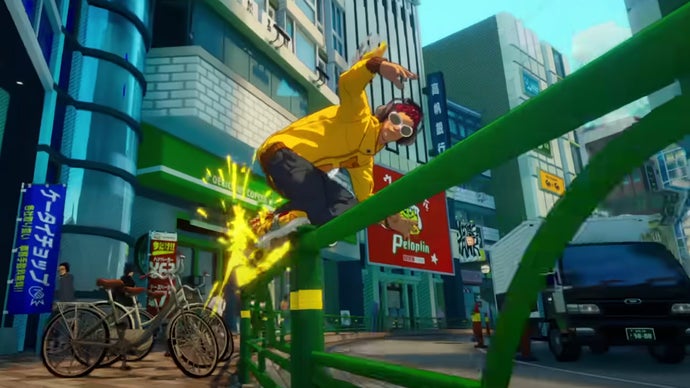
While the Super Game has been buried, two of Sega's most beloved series are very much alive. The company has confirmed that reboots of Jet Set Radio and Crazy Taxi are still in active development. These projects were announced as part of a broader initiative to leverage Sega's rich catalog of classic titles for modern audiences.
Details remain scarce, but early indications suggest both games will retain their core gameplay loops while updating graphics, controls, and online features. For Jet Set Radio, that means graffiti-tagging, rollerblading, and a vibrant cel-shaded art style. For Crazy Taxi, it's all about frantic arcade driving, picking up passengers, and racing against the clock.
What We Know About the Jet Set Radio Reboot
- Developer: Sources suggest a combination of in-house Sega teams and external partners.
- Style: Likely to retain the iconic graffiti aesthetic, but with high-definition textures and dynamic lighting.
- Gameplay: Expected to include both single-player missions and online multiplayer skate parks.
- Release window: No official date, but whispers point to a late 2024 or 2025 launch.
What We Know About the Crazy Taxi Reboot
- Concept: A return to the arcade-style pick-up-and-drop-off chaos, possibly with a modern city setting.
- Features: May include a seamless open world, leaderboards, and online competitive modes.
- Music: The original game's punk soundtrack is a fan favorite; negotiations for licensed tracks are reportedly underway.
- Business model: Could be a premium title or a free-to-play model with microtransactions — Sega hasn't committed yet.
Sega's Shift in Strategy: From Super Game to Super Franchises
The cancellation of the Super Game marks a pivot away from speculative mega-projects and toward established IPs. Sega's recent successes with Persona 5, Yakuza: Like a Dragon, and Sonic Frontiers have reinforced that audiences crave nostalgia wrapped in modern polish. The company's management has explicitly stated that future growth will be driven by "strengthening existing series and exploring cross-media opportunities" — meaning movies, comics, and merchandise.
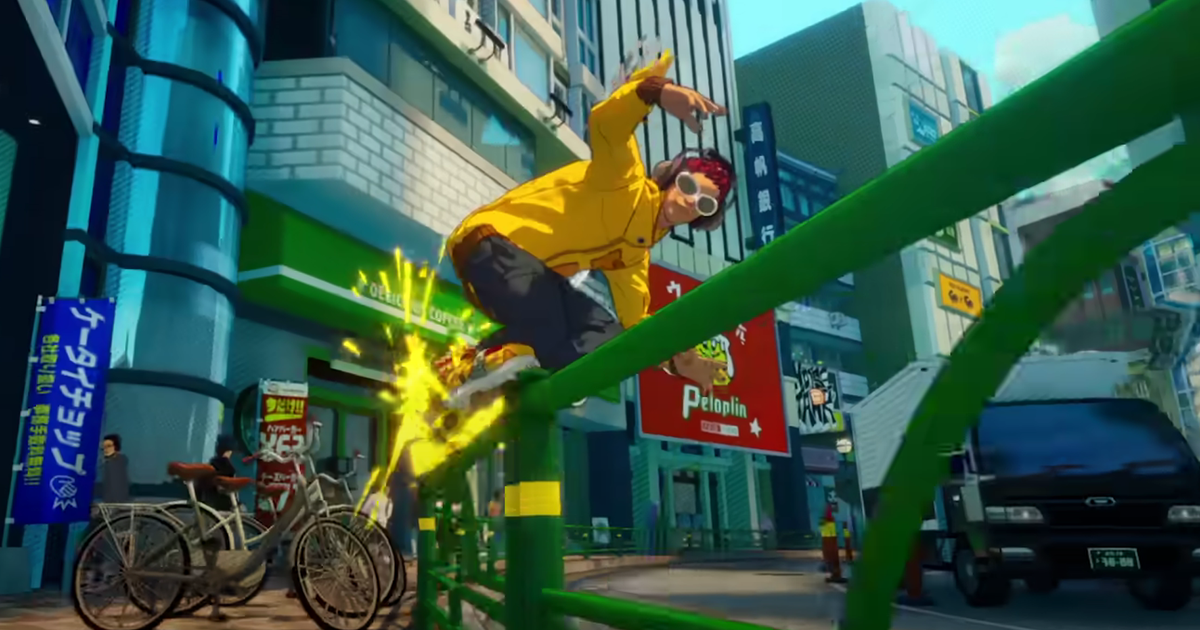
This doesn't mean Sega is abandoning innovation. Rather, it's choosing to innovate within familiar sandboxes. The upcoming Jet Set Radio and Crazy Taxi reboots are themselves experiments in updating cult classics for a new generation. Additionally, Sega has several unannounced projects in the works, but they are likely to be smaller in scope than the ill-fated Super Game.
What's Next for Sega Gamers?
For now, fans can look forward to a steady stream of releases, including new entries in the Like a Dragon series, the next mainline Sonic game, and the long-awaited revival of Shinobi. Sega also maintains a robust partnership with Microsoft for Game Pass day-one releases, which ensures broader exposure for their titles.
The death of the Super Game may sting for those hoping for a groundbreaking original experience, but the resurrection of classic franchises offers an equally exciting — and more tangible — future. Sega is betting that retro revival, not reinvention, will win the day.
Final Thoughts: Goodbye, Super Game — Hello, Nostalgia
The "Super Game" was always an enigma, more ambition than reality. Its cancellation is a pragmatic move by Sega to focus resources where they can have the most impact. Meanwhile, the ongoing development of Jet Set Radio and Crazy Taxi reboots proves that the spirit of fun, creativity, and chaos that defined Sega's golden era is alive and well.
As the company continues to mine its back catalog, one thing is clear: sometimes the biggest "super game" is the one we already love.
Related Articles
- 7 Reasons Saros Struggles With Its Roguelike Identity
- Staff Game Diaries: From Cyberpunk Paris to Fishing Obsessions
- Resident Evil 9: A Deep Dive into the 'Leon Must Die Forever' DLC
- Wolfhound: An 8-Bit Fusion of Classic Shooters and Metroidvania Exploration
- Navigating the Supreme Court: Apple's Strategy to Postpone the Epic Games App Store Mandate
- DeepMind AI to Learn from Eve Online's Massive Player Base as Google Takes Minority Stake in Game Developer
- GeForce NOW Unleashes May Cloud Gaming Blitz: Forza Horizon 6, 007 First Light Headline 16 New Titles with RTX 5080 Boost
- How to Mount and Ride Exotic Beasts in Crimson Desert: A Complete Guide