Ancient Brazilian Microfossils Rewrite Story of Early Life: Q&A
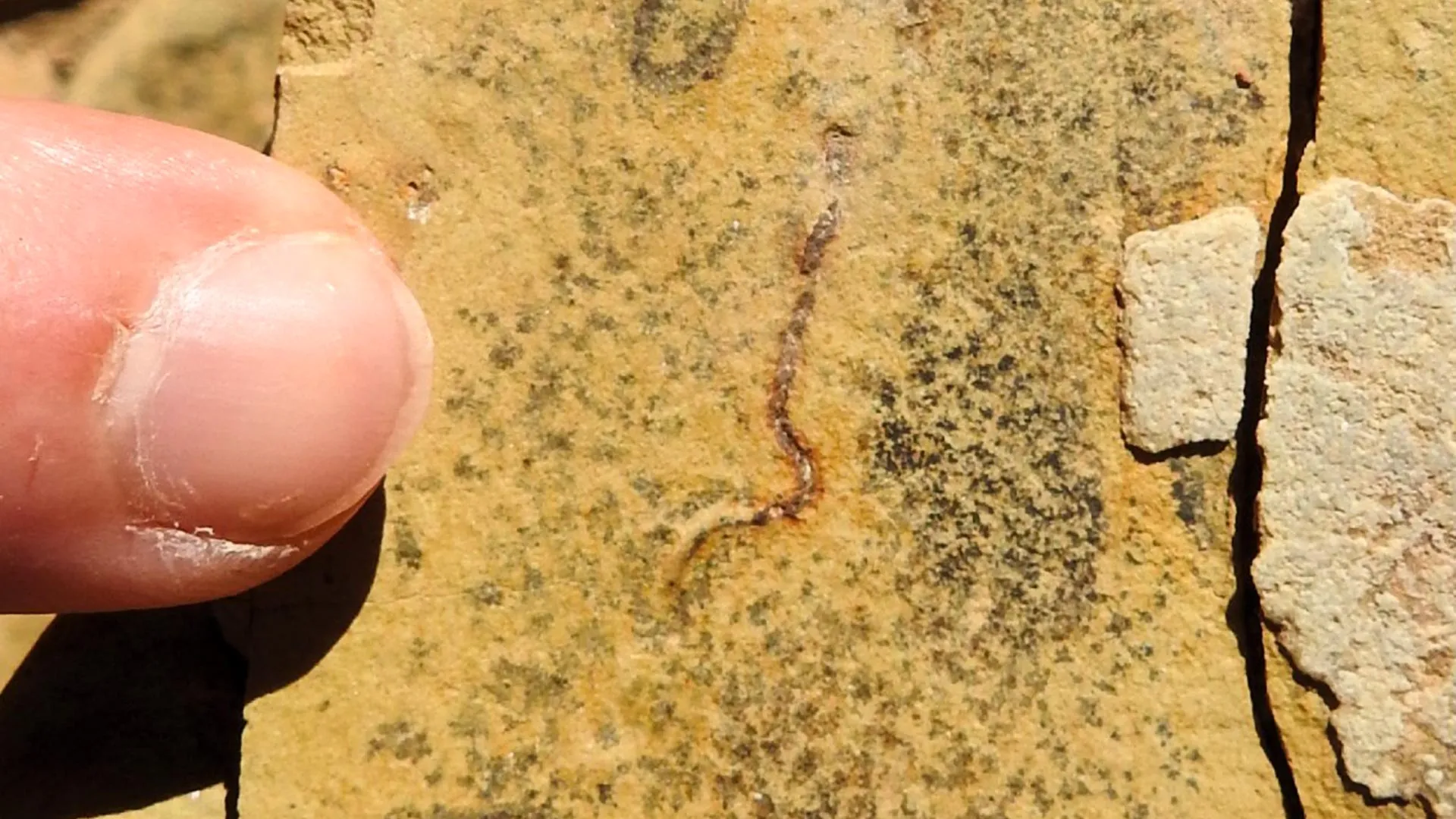
A groundbreaking reexamination of 540-million-year-old microfossils from Brazil has turned a long-held theory about the dawn of animal life on its head. What researchers once interpreted as tiny worm trails are now revealed to be something far more ancient: fossilized bacterial and algal colonies, some boasting pristine cellular structures and preserved organic matter. This stunning find reshapes our understanding of what life looked like in the Ediacaran period. Below, we explore the key questions and answers surrounding this remarkable discovery.
What were these fossils originally thought to be?
For decades, the millimeter-sized squiggly marks found in Brazilian sedimentary rocks were classified as trace fossils — evidence of the movement of early worm-like animals. Paleontologists believed these tiny trails were left by bilaterian creatures that crawled across ancient seafloors around 540 million years ago. This interpretation supported the idea that complex animal life emerged earlier than the Cambrian explosion. The fossils were even used as a key piece of evidence in debates about the timing of animal evolution, making them a cornerstone in the story of life's origins.
What did the new research reveal about these microfossils?
A fresh analysis using high-resolution microscopy and chemical imaging has completely overturned the original classification. Instead of being animal trails, the structures are now understood to be fossilized microbial mats — colonies of bacteria and algae that lived and died in shallow marine environments. The most astonishing finding is that some of these specimens still contain remarkably preserved cells and organic material, allowing scientists to identify distinct cell walls and internal structures. This level of preservation is extremely rare in rocks of such great age.
How did scientists make this discovery?
The team employed advanced techniques that were not available during the initial studies decades ago. By using scanning electron microscopy (SEM) and chemical fingerprinting with energy-dispersive X-ray spectroscopy (EDS), they could map the composition of the fossils in detail. The presence of specific organic compounds and cell-like morphologies pointed unmistakably to a biological origin, but not of the animal kind. Additionally, the patterns of mineral replacement suggested that the structures formed in a microbial mat ecosystem, not from animal movement.
Why does this challenge previous ideas about early animal life?
The earlier interpretation of these fossils as worm trails provided direct evidence that complex, motile animals existed before the Cambrian explosion, which began around 541 million years ago. If those trails were not made by animals, then the timeline for the emergence of bilaterians — animals with bilateral symmetry — becomes less certain. This discovery removes a key piece of evidence for an early appearance of animal life, forcing scientists to re-evaluate other claimed pre-Cambrian animal fossils. It also highlights how easily microorganisms can be mistaken for traces of more advanced life.
What does the preservation of cells and organic material tell us?
The fact that these 540-million-year-old microfossils retain intact cell structures and organic compounds is extraordinary. Most fossils this old have been altered by heat and pressure during burial, losing all cellular details. The exceptional preservation suggests that the microbial mats were quickly entombed in fine-grained sediments in an oxygen-poor environment, which slowed decay. This provides a rare window into the ultrastructure of Precambrian life, showing that even simple microbes can leave behind evidence that rivals the detail of much younger fossils from the Cambrian.
Could these fossils still hold clues about the origins of animal life?
Absolutely. While the microfossils themselves are not animal trails, they are part of the ecosystem that eventually gave rise to animals. Microbial mats like these dominated the seafloor for billions of years and provided the oxygen and nutrients that enabled the evolution of more complex life. Understanding their structure and chemistry helps scientists reconstruct the environments in which the first animals evolved. In fact, these preserved mats might contain biomarkers that reveal interactions between early microbes and emerging animal life — connections that are still being explored.
What are the broader implications for paleontology?
This study serves as a cautionary tale about interpreting trace fossils. It underscores the need for rigorous chemical and microscopic analysis before assigning a biological origin to ancient marks. It also shows that microbial fossils can mimic animal traces, potentially leading to overestimates of early animal diversity. Moving forward, paleontologists will likely revisit other supposed pre-Cambrian trace fossils with similar techniques. The discovery ultimately expands our understanding of the Ediacaran biosphere, emphasizing the importance of microbial life in shaping Earth's early history.
Related Articles
- 10 Revelations From the Groundbreaking DNA Study That Redefines Japanese Ancestry
- How to Use Drone-Mounted Radar to Find Water Drilling Sites on Mars
- Thinking Smarter: 8 Key Insights on Test-Time Compute and Chain-of-Thought
- 7 Things You Need to Know About the Milky Way's Surprising Star Formation Boundary
- Next-Generation Space Computing: NASA and Microchip's Leap Forward
- Musk's Terafab Project: $55 Billion Semiconductor Facility in Rural Texas Could Reach $119 Billion Investment
- Allen Institute Reveals Bold, Playful Rebrand Under Renowned Designer Neville Brody
- Brewing Better Coffee: How Electrical Currents Could Unlock Flavor Secrets