How to Take a Stand Against the Revised GUARD Act: A Step-by-Step Guide
Introduction
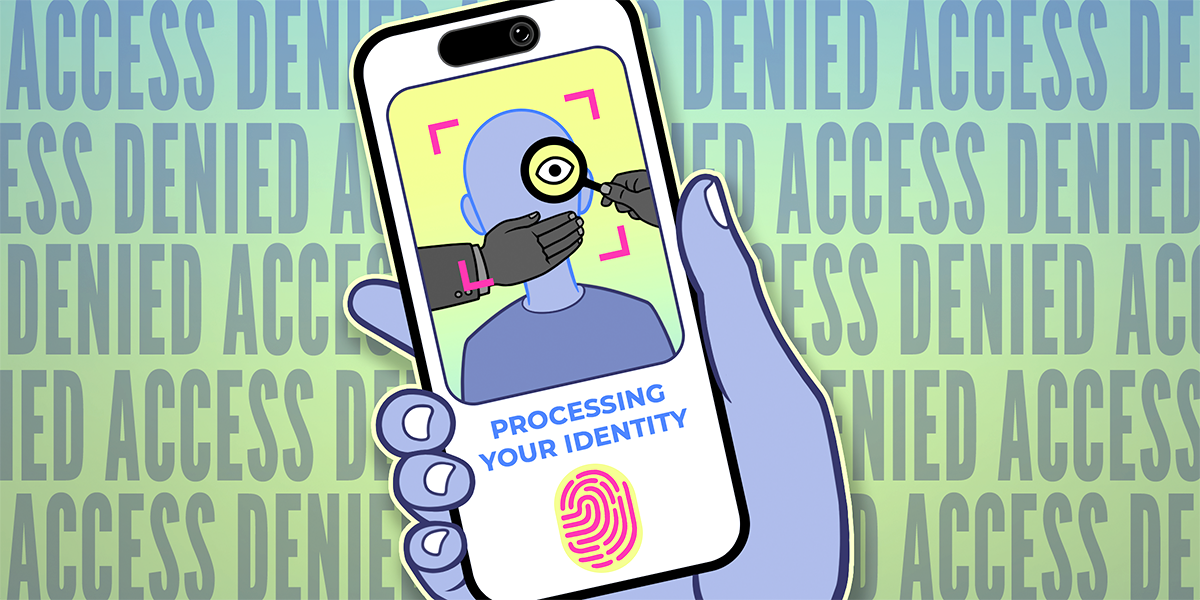
The GUARD Act has been narrowed in response to criticism, but serious concerns remain. While the revised bill now targets “AI companions” instead of all AI chatbots, it still mandates intrusive age verification tied to real-world identities, unclear definitions, and heavy penalties. This guide will walk you through effective steps to oppose the GUARD Act and protect privacy, free speech, and parental choice. Whether you're a concerned parent, a digital rights advocate, or a developer, your voice matters.
What You Need
- Internet access – for research and contacting officials.
- Contact information for your U.S. Representative and Senators (you can find this at house.gov and senate.gov).
- A clear understanding of the GUARD Act’s current provisions (see Step 1).
- Writing tools – email, phone, or printed letter templates.
- Social media accounts to amplify your message.
- A few minutes of time per step.
Step-by-Step Guide
Step 1: Understand the Revised GUARD Act
Before acting, grasp the core issues. The original bill could have affected nearly every AI chatbot. The revised version focuses on “AI companions”—systems simulating emotional interactions and persistent characters. However, it still requires “reasonable age verification” using real-world identifiers like government IDs, bank accounts, or app store accounts. This creates privacy risks, excludes those without such documents, and undermines anonymity. The bill also leaves key definitions vague yet imposes steep penalties for noncompliance. Families who want teens to use AI for social practice or creative play face barriers. Even parents who consent must navigate identity-linked checks. Bottom line: The bill remains a threat to privacy, free speech, and parental choice.
Step 2: Identify Your Representatives
Find out who represents you in Congress. Go to house.gov and enter your zip code to find your U.S. Representative. For Senators, visit senate.gov. Write down their names, offices, and contact forms. If you’re part of an organization, also identify relevant committee members—the bill likely passes through Judiciary or Commerce committees.
Step 3: Craft Your Message
Prepare a concise, respectful, and fact-based statement. Cover these points:
- Introduce yourself as a constituent.
- State your opposition to the GUARD Act (even in its narrowed form).
- Explain why: privacy-invasive age verification, unclear definitions, harm to families who want to use AI companions legitimately, and chilling effect on innovation.
- Use an example from the original text: a deployed parent using an AI storyteller for a child, or a teen practicing social skills with a companion.
- Request that your representative oppose the bill and advocate for alternatives that protect minors without sacrificing privacy.
Tip: Keep it to one page. Personal stories resonate more than generic arguments.
Step 4: Contact Your Members of Congress
Use multiple channels for maximum impact:
- Email: Use the official contact form on their website. Paste your message and add your full address to confirm residency.
- Phone: Call the Washington, D.C. office and speak with a staffer. Be polite and brief—state your opposition and key reasons.
- Physical letter: Send a printed version for a more personal touch. Include your return address.
- Social media: Tag your representatives in public posts asking them to oppose the GUARD Act. Use hashtags like #NoToGUARDAct or #PrivacyMatters.
The more constituents contact them, the more attention the issue gets.

Step 5: Spread Awareness
Share the issue with your community:
- Post about the GUARD Act on social media, linking to EFF’s analysis (referenced in the original text).
- Write a letter to the editor of your local newspaper.
- Organize a small group to call representatives together.
- Contact local tech or digital rights groups to join the effort.
Amplify voices that explain why age verification tied to real ID harms vulnerable users.
Step 6: Follow Up and Stay Engaged
After contacting, check for replies. If you receive a form letter, respond with specific follow-up questions. Track the bill’s progress at congress.gov. If you don’t get a satisfactory response, escalate by contacting committee chairs or media. Encourage others to do the same. Persistence is key—legislators need to hear opposition repeatedly.
Tips for Effective Advocacy
- Be specific about harms: Emphasize that the bill’s privacy-invasive age verification could force users to hand over sensitive financial data, and that many Americans lack such documents.
- Mention bipartisan opposition: Point out that the bill’s broad reach drew criticism from both sides, making it a non-partisan issue.
- Offer alternatives: Suggest privacy-preserving solutions like client-side age estimation or opt-in parental controls instead of mandatory identity checks.
- Use EFF’s talking points: The original text notes that the bill “creates serious problems for privacy, online speech, and parental choice.” Use that language.
- Be persistent but polite: Staffers are busy; polite reminders are more effective than anger.
- Collaborate: Join forces with organizations like EFF to amplify reach.
Remember: The GUARD Act may have been narrowed, but the core problems remain. By taking these steps, you can help ensure that legislation meant to protect minors doesn’t inadvertently trample on fundamental rights. Every voice counts—use yours today.
Related Articles
- How to Test Python 3.15 Alpha 6: A Developer's Guide to Previewing New Features
- How to Spot and Prevent Fabricated Citations in Academic Research
- Mastering Observability in Apache Camel: A Practical Approach
- Paramount+ Unleashes Three Bone-Chilling Documentaries This Weekend – Must-Watch True Crime Alert
- How to Implement Integrated Multi-Trophic Aquaculture (IMTA) with Seaweed and Finfish
- Record-Breaking MacBook Pro Discounts: M5 Pro and M5 Max Models Now Available from $1,949
- April 2026 in Review: Key Linux App Updates and Releases
- Swift Breaks Into New IDEs: Official Extension Now Available on Open VSX Registry, Enabling Seamless Support for Cursor, VSCodium, and More