The Shocking Brain Structure Difference in Psychopaths Revealed by MRI Scans
In a groundbreaking study, scientists used MRI scans to compare the brains of individuals with psychopathic traits to those without. They discovered a noticeable difference in the size of a brain region called the striatum, which is crucial for reward, motivation, and decision-making. This finding sheds light on the biological underpinnings of psychopathy and its associated behaviors. Learn about the specific brain region.
What specific brain region is larger in people with psychopathic traits?
In individuals with psychopathic traits, the striatum is significantly larger compared to those without such traits. This brain structure, located deep within the cerebral cortex, is part of the basal ganglia and plays a central role in the brain's reward system. The striatum is involved in processing rewards, motivating behavior, and influencing decision-making. Its enlargement in psychopaths suggests an exaggerated sensitivity to rewards and a heightened drive for stimulation, which can manifest as risk-taking and impulsive actions. This finding helps explain why psychopaths often seek out thrilling experiences and may have difficulty learning from negative consequences. The study, published in a peer-reviewed journal, underscores the neurological foundations of psychopathy, moving beyond behavioral observations to show a concrete anatomical difference.
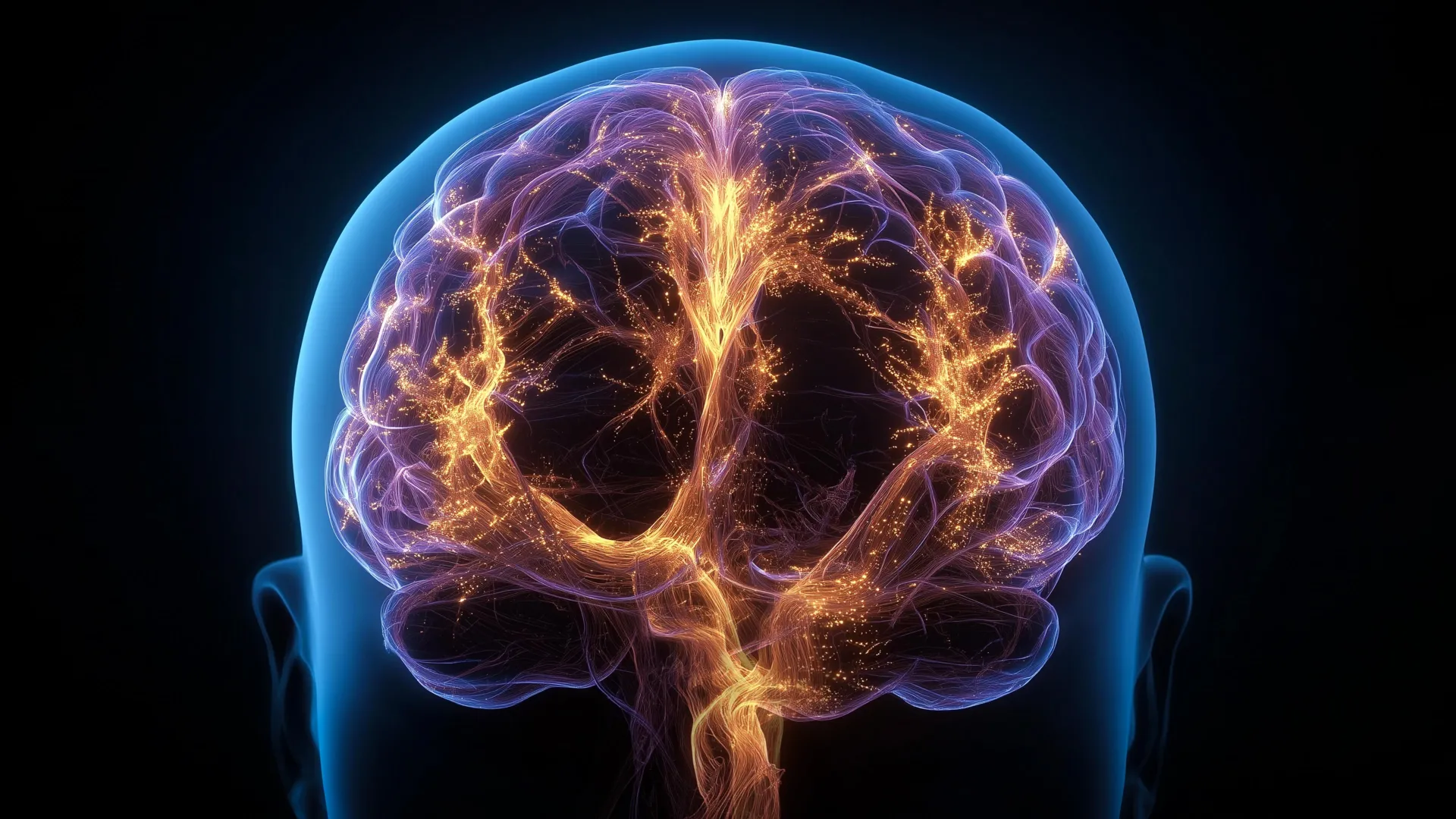
By how much is the striatum enlarged in psychopaths?
On average, the striatum of individuals with psychopathic traits is about 10% larger than that of people without such traits. This percentage difference, while seemingly modest, is substantial enough to be detected consistently across the 120 participants in the study using high-resolution MRI scans. The enlargement was most pronounced in the ventral striatum, a subregion heavily linked to reward processing and motivation. The researchers controlled for overall brain size to ensure the difference was specific to the striatum. This 10% increase correlates with behavioral assessments: psychopaths scored higher on measures of thrill-seeking, impulsivity, and need for stimulation. The finding provides a clear neural marker for psychopathy, although not all individuals with a larger striatum exhibit psychopathic behavior, indicating that other factors also contribute.
What functions does the striatum control in the brain?
The striatum is a critical hub for several key functions: reward processing, motivation, and decision-making. It helps evaluate the expected value of different actions, encouraging behaviors that lead to positive outcomes. The striatum also coordinates motor control and habit formation. In psychopathy, an enlarged striatum may amplify the brain's response to potential rewards while dampening sensitivity to punishment. This imbalance can lead to a preference for immediate gratification over long-term goals, even when risks are high. Additionally, the striatum interacts with the prefrontal cortex, which is responsible for impulse control and planning. In psychopaths, this connection may be weaker, allowing reward-driven impulses from the striatum to dominate. Therefore, the striatum's size and activity are central to understanding the thrill-seeking and impulsive behaviors characteristic of psychopathy.
How was the study conducted?
The researchers recruited 120 participants and used a combination of structural MRI scans and psychological assessments. First, each participant completed standardized questionnaires measuring psychopathic traits, such as the Psychopathy Checklist-Revised (PCL-R). Based on their scores, individuals were classified as having high or low psychopathic traits. Then, high-resolution MRI scans were performed to measure the volume of the striatum and other brain regions. The researchers compared the average striatum size between the two groups, controlling for age, sex, and total brain volume. Statistical analyses revealed a significant difference: the high-psychopathy group had striata that were approximately 10% larger. The study also examined behavioral correlates, linking the enlarged striatum to self-reported thrill-seeking and impulsivity. This rigorous methodology strengthens the conclusion that striatum size is a neural correlate of psychopathy.
What behavioral tendencies are associated with an enlarged striatum?
Individuals with a larger striatum tend to exhibit thrill-seeking, impulsive behavior, and a stronger drive for stimulation. These behaviors manifest as a constant search for excitement, novelty, and intensity, often leading to risky activities like reckless driving, substance abuse, or criminal acts. In psychopaths, this is compounded by reduced empathy and guilt, making them more likely to act on these impulses without regard for others. The enlarged striatum may overvalue rewards, making even minor potential gains seem highly appealing, while undervaluing risks or punishments. This neural pattern helps explain why psychopaths are often described as 'sensation seekers' who learn poorly from negative feedback. However, it's important to note that these behaviors can also appear in non-psychopathic individuals with a large striatum, though usually with more self-control and conscience. The connection between brain structure and behavior highlights the profound influence of biology on personality.
Does an enlarged striatum mean someone is a psychopath?
No, an enlarged striatum alone does not diagnose psychopathy. The study found a correlation, not causation, and many factors contribute to psychopathic behavior. An enlarged striatum may increase the tendency toward thrill-seeking and impulsivity, but psychopathy is a complex personality disorder involving emotional deficits, callousness, and antisocial behaviors that arise from a combination of genetic, environmental, and neurological factors. Many people with a larger striatum are not psychopaths; they may be high achievers, adventurers, or entrepreneurs who channel their drive for stimulation productively. The striatum difference is one piece of the puzzle. Moreover, the study's findings are based on group averages, so individual variation is significant. Future research is needed to explore how exactly reward processing differences interact with other brain networks to produce full-blown psychopathy. Until then, the enlarged striatum serves as a promising biomarker but not a standalone diagnosis.
Related Articles
- 5 Essential Insights into Ireland's Historic Artemis Accords Signing
- Ancient Hypervelocity Star DESI-HVS1: Uncovering a Runaway from the Galactic Core
- Satellite’s Eye View: Falcon Heavy’s Epic Return
- How LLM Tools Are Upending Coordinated Vulnerability Disclosure: Q&A
- Deadly Landslides Devastate Papua New Guinea After Cyclone Maila Deluge
- How to Decode a Hubble Space Telescope Image: A Guided Tour of Spiral Galaxy NGC 3137
- Squid and Cuttlefish Survived Mass Extinctions by Hiding in Deep-Sea Oases, New Genome Study Reveals
- Razr Fold vs Galaxy Z Fold 7: Deciding the Best Foldable for You