Reviving Your Old Fire TV Stick: A Complete Guide to Amazon's Vega OS Update
Overview
Amazon has officially transitioned its Fire TV platform to a new operating system called Vega OS. Based on Linux, this OS replaces the older Fire OS (itself a fork of Android) and is now shipping on every new Fire TV Stick. The announcement, quietly posted on Amazon's developer website, has sent ripples through the streaming community—especially among owners of older Fire TV Sticks. Many of these older devices are now receiving the Vega OS update, breathing new life into hardware that was once considered obsolete. This guide will walk you through everything you need to know: what Vega OS is, how to get it on your device, and what to watch out for.
Prerequisites
- A Fire TV Stick (any generation, though updates are rolling out gradually).
- A stable internet connection (preferably wired or 5 GHz Wi‑Fi for large updates).
- At least 1 GB of free internal storage (check your device storage before starting).
- Your Amazon account logged in (the update is delivered over‑the‑air).
- Patience: the update may take 15–30 minutes to download and install.
Step‑by‑Step Instructions
1. Check Your Current Software Version
Before jumping into the update, confirm what OS your Fire TV Stick is currently running. This will tell you whether Vega OS is available for your device.
- From the home screen, go to Settings (gear icon).
- Select My Fire TV (or Device & Software on newer builds).
- Choose About.
- Look for the Software Version line. If you see a version number starting with 7.x or 8.x, you are still on Fire OS. If it starts with 9.x (or a new naming scheme like Vega 1.0), you already have Vega OS.
Note: Amazon has not published an exact version mapping, but early adopters report that version numbers ending in .0xx indicate Vega OS.
2. Initiate the System Update
If your Fire TV Stick is still on Fire OS, you can manually check for the Vega OS update.
- In Settings > My Fire TV > About, scroll to Check for Updates.
- Select it. Your device will contact Amazon's servers and notify you if an update is available.
- If a new update is found (and it likely will be, as Amazon is pushing Vega OS aggressively), click Install Now.
- The device will download the update in the background. Leave it plugged in and connected to power.
- After the download finishes, the Fire TV Stick will restart and apply the update. Do not unplug the device during this process.
The entire update can take anywhere from 10 minutes to an hour, depending on your internet speed and the device’s age. Your screen will show a progress bar and a “Fire TV” logo.
3. Post‑Update Setup and New Features
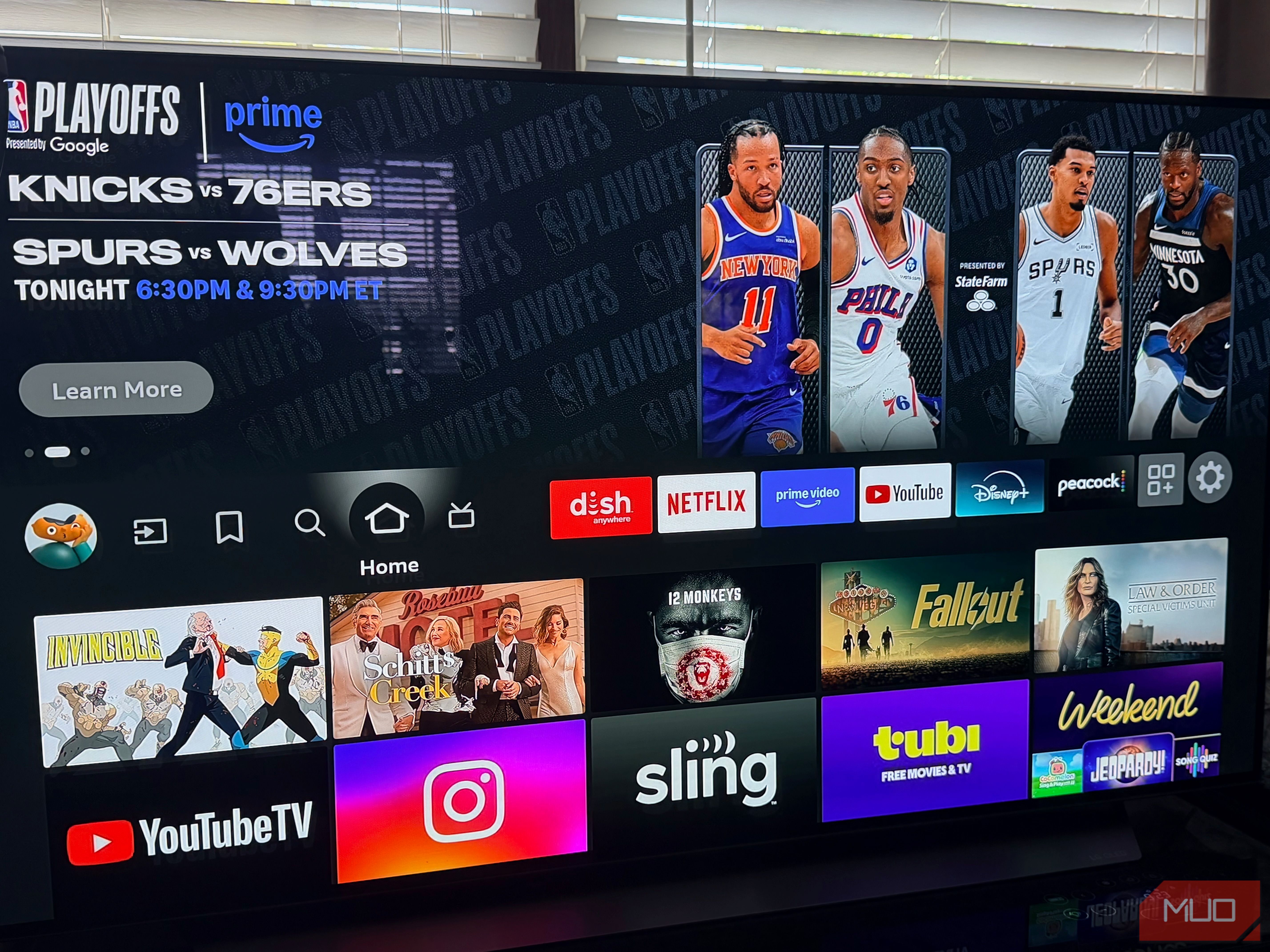
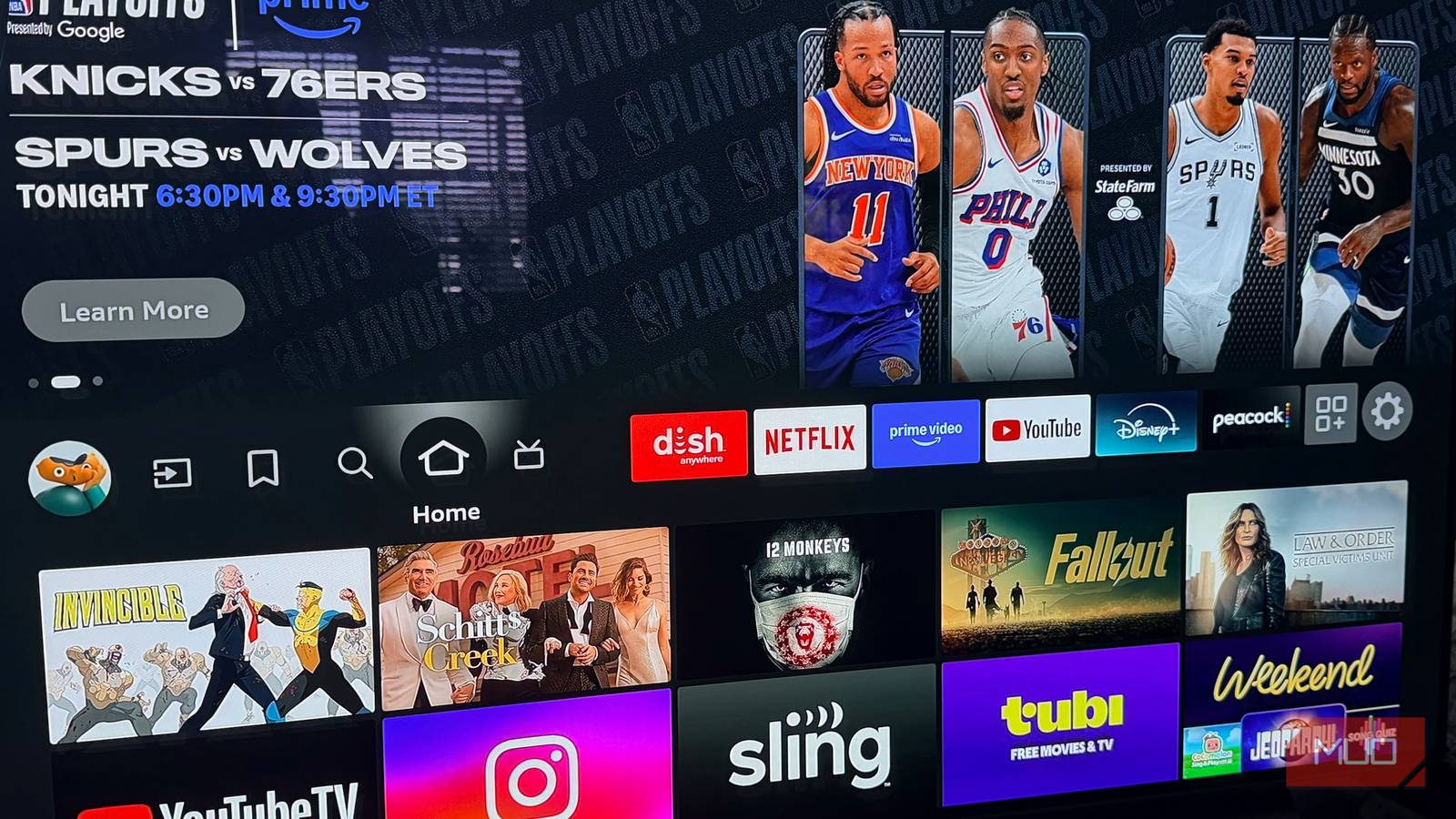
Once the update completes, you’ll be greeted by a refreshed interface. Vega OS looks similar to Fire OS at first glance, but under the hood it is a completely different animal. Here are the key changes you should explore:
- Performance Boost: Many users report snappier navigation and faster app launches. The Linux 4.9 kernel used in Vega OS is more efficient on older hardware.
- App Compatibility: Most existing apps (Netflix, Prime Video, YouTube, etc.) work fine, but some niche Android‑only apps may not be available. Check the Amazon Appstore for Vega‑compatible versions.
- Developer Options: For tinkerers, Vega OS includes a developer mode that provides SSH access (via ADB) and lower‑level system controls. To enable it, go to Settings > My Fire TV > Developer Options.
- Gaming Improvements: Vega OS includes newer graphics drivers (Mali GPU support), making casual games smoother on the stick.
If you haven’t used your old Fire TV Stick in a while, this update is a fantastic reason to give it a second life.
4. Optimize Your Device for Vega OS
After the jump to Vega, there are a few tweaks you can do to maximize performance:
- Clear cache for all apps: Settings > Applications > Manage Installed Applications > Select an app > Clear cache.
- Disable animations: Settings > Accessibility > Remove animations (option may vary by version).
- If you have an older Fire TV Stick (2nd gen), consider using an OTG cable with a wired Ethernet adapter for a more stable connection, as Wi‑Fi reception on those models is weak.
Common Mistakes to Avoid
- Assuming all apps are compatible: Vega OS is Linux‑based, not Android. Some apps that rely on Google Play Services (like Disney+ Hotstar in certain regions) may not run natively. Check the Amazon Appstore for official Vega support before updating.
- Interrupting the update: Power loss during the OS installation can brick your device. Always use the original power adapter and a surge protector.
- Not backing up data: While Vega OS installs over Fire OS without wiping user data, it’s always wise to note down your settings or synced accounts. If something goes wrong, a factory reset may be needed.
- Ignoring storage space: Vega OS needs about 500 MB of free space to install. If your internal storage is nearly full, the update will fail. Delete unused apps or transfer media to an external USB drive before starting.
- Trying to revert to Fire OS: Amazon does not provide official rollback packages. Once you move to Vega OS, you are stuck with it. If you rely on an app that is Vega‑incompatible, wait for an update from the developer rather than trying to downgrade.
Summary
Amazon’s Vega OS marks a pivotal shift from Android‑based Fire OS to a lightweight, Linux‑based platform. Existing Fire TV Sticks—even older models—are receiving this update, dramatically improving performance and extending their useful life. By following the steps above—checking your current version, triggering the update, and optimizing post‑install settings—you can transform a sluggish device into a snappy streaming powerhouse. Just be aware of the common pitfalls related to app compatibility and storage. With Vega OS, your old Fire TV Stick is finally worth keeping.
Related Articles
- The End of Diesel: 6 Ways Renewables and Storage Are Transforming Australia's Outback Grid
- 6 Critical Insights into Occidental Petroleum's Bold Move to Halt Oil Hedging
- Understanding the CSS hypot() Function: A Complete Q&A Guide
- docs.rs to Drastically Reduce Default Build Targets Starting May 2026
- From Wireframes to Production Code: The New Reality for UX Designers
- Crypto Market Surge and Regulatory Shifts: XMR ATH, Stablecoin Limits, and Prediction Market Crackdown
- Galoy's Bitcoin Banking Platform: A Comprehensive Q&A on the Latest Expansion
- Apple App Store Harbors Dozens of Phishing Apps Stealing Crypto Wallet Keys