5 Key Insights into ASBMUtil and the Future of Apple Business Manager
Introduction
For IT administrators managing large fleets of Apple devices, Apple Business Manager and Apple School Manager are indispensable tools. However, their web-based interfaces often become a bottleneck when handling thousands of Macs, iPads, or iPhones. Enter ASBMUtil, a native macOS application that streamlines these processes by harnessing Apple's recently released API. This article explores five essential aspects of ASBMUtil, from its core functionality to its significance in modern device management.
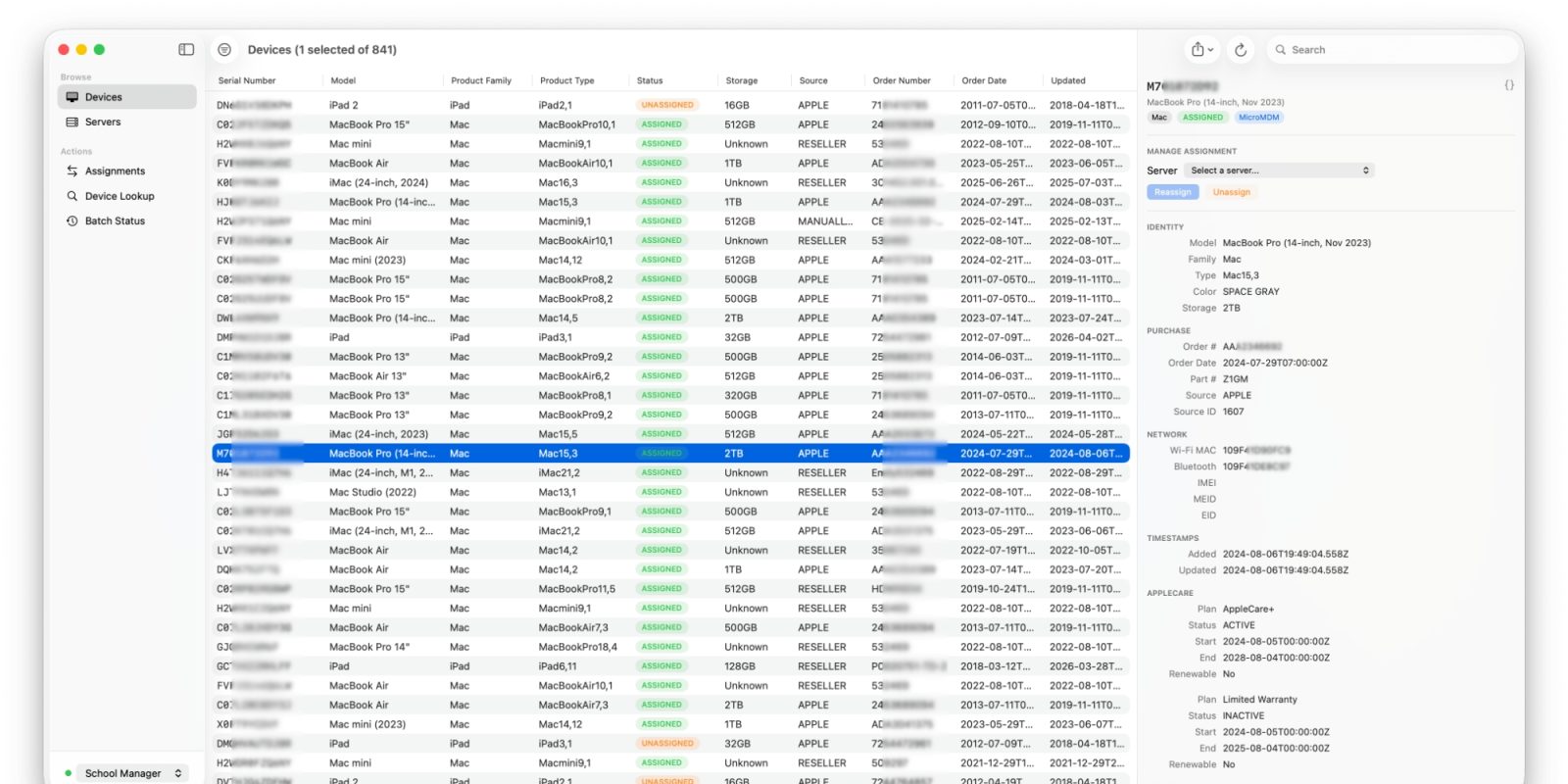
1. Escaping the Tedium of Web Interfaces
Apple Business Manager and Apple School Manager are critical for enrolling and managing devices in the enterprise. Yet, their web interfaces can become painfully slow and error-prone when you handle hundreds or thousands of units. Tasks such as assigning devices to MDM servers, managing users, or viewing device details often require multiple clicks and page loads. ASBMUtil directly addresses this pain point by providing a native macOS app that automates these repetitive actions. Instead of toggling between browser tabs and waiting for page refreshes, IT admins can script or batch-process operations locally. This not only saves time but also reduces the risk of human error, allowing teams to focus on strategic initiatives rather than mundane portal management.
2. Built on Apple's Official API
Last year, Apple took a significant step by releasing an official API for Apple Business Manager and Apple School Manager. This move opened the door to third-party automation and integrations, something that was previously limited or required workarounds. ASBMUtil is a direct beneficiary of this API. It leverages the API to interact with the services securely and efficiently. For administrators, this means they can now perform bulk operations—like updating device assignments, fetching enrollment profiles, or syncing department lists—without ever touching the web portal. The API also ensures that ASBMUtil stays synchronized with Apple's backend changes, providing a reliable and future-proof alternative to manual web interactions.
3. A True Native macOS Experience
Unlike web-based portals, ASBMUtil is a native macOS application, which brings several advantages. It integrates seamlessly with the operating system—supporting features like Command+Tab switching, macOS notifications, and Touch Bar shortcuts (on compatible Macs). The app can run in the background, constantly syncing data, and can be easily launched via Spotlight. For IT teams, this means less context switching and a more consistent workflow. Additionally, being native allows ASBMUtil to utilize macOS system resources efficiently, resulting in faster performance compared to a heavy web interface. The app also supports dark mode, multiple windows, and keyboard shortcuts for power users, making daily management tasks feel less like a chore and more like a natural part of the macOS environment.

4. Tailored for Enterprise Workflows
ASBMUtil is not just a prettier portal—it is designed to fit into existing enterprise workflows. IT admins can automate repetitive tasks using shell scripts or Apple's Shortcuts app, thanks to the app's command-line interface and scripting support. For example, you could trigger a script to assign all new MacBooks to a specific MDM server when they appear in the inventory. This level of automation is particularly valuable for organizations that follow strict provisioning procedures. Moreover, ASBMUtil can export data to CSV or JSON, enabling integration with inventory management systems, ticketing tools (like ServiceNow or Jira), or custom analytics dashboards. The app also logs all actions, providing an audit trail that satisfies compliance requirements.
5. A Catalyst for a New Wave of Tools
ASBMUtil is among the first of a new generation of utilities that take advantage of Apple's API. Its emergence signals a shift in how enterprises interact with Apple's device management services. Instead of relying solely on web portals, IT departments can now choose from a growing ecosystem of native apps, scripts, and bots. This democratization of automation means that even small teams with limited budget can achieve the efficiency previously reserved for large-scale deployments. As the API matures, we can expect more tools to appear—each targeting specific pain points like enrollment, zero-touch deployment, or device retirement. ASBMUtil serves as a proof of concept and an inspiration for developers, proving that there is substantial demand for better ways to manage Apple devices at scale.
Conclusion
ASBMUtil is more than just a convenient app; it represents a fundamental shift in how IT administrators can manage Apple devices. By eliminating the tediousness of web interfaces, leveraging Apple's official API, and offering a native macOS experience, it empowers professionals to automate and streamline their workflows. As the tooling ecosystem expands, ASBMUtil will likely remain a benchmark for what's possible when native development meets enterprise needs. Whether you are responsible for fifty devices or fifty thousand, exploring ASBMUtil could be your first step toward a more efficient and less frustrating device management strategy.
This article is part of the Apple @ Work series, which explores how Apple products are used in enterprise environments.
Related Articles
- How Top 7 Best Wordpress Plugin Of All Time
- Microsoft 365 Subscribers Get Critical Security Patch and Copilot Upgrade in Latest Update Wave
- Navigating Rust 1.94.1: A Comprehensive Update Guide
- 10 Critical Insights for Designing Accessible Websites (And Why Good Intentions Aren't Enough)
- Top Tech Deals: Galaxy Watch 8 Classic Slashed by $300, Samsung Tabs at Record Lows, Google TV Streamer, and More
- From Olympic Gold to Met Gala Gold: Alysa Liu's Stunning Arrival
- Kubernetes v1.36 'Haru' Delivers 70 Enhancements Across Stable, Beta, and Alpha
- How to Claim Your Share of Apple's $250 Million Settlement for Missing AI Siri Features