The Growing Allergy Crisis: How Climate Change Is Lengthening and Intensifying Pollen Seasons
Introduction
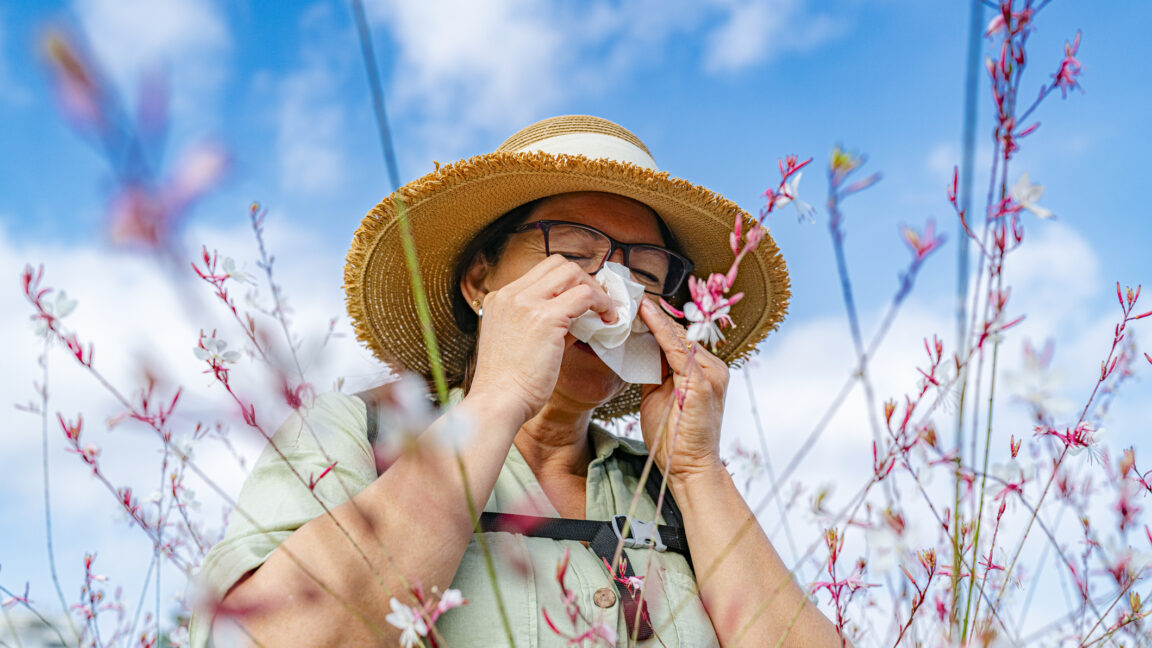
If your seasonal allergies feel worse every spring, you are not imagining things. Climate change is making pollen seasons longer and more intense across the Northern Hemisphere. For the millions of Americans who suffer from seasonal allergies, this is not just an inconvenience—it can be a serious health threat.
The Climate-Pollen Connection
Warmer temperatures and higher levels of carbon dioxide (CO2) in the atmosphere create ideal conditions for plants to produce more pollen. According to experts, including Dr. Neelima Tummala, an ear, nose, and throat specialist at NYU Langone Health, this combination leads to earlier spring blooms, extended frost-free periods, and ultimately, longer allergy seasons.
Why Pollen Seasons Are Getting Longer
Climate change alters the timing of plant life cycles. Trees and grasses that once released pollen over a few weeks now have a longer window to do so. Ragweed, a common allergen, has been shown to produce more pollen as CO2 levels rise. This means that for allergy sufferers, the misery of sneezing, itchy eyes, and congestion starts earlier in spring and lasts well into fall.
The Human Toll: Who Is Affected?
Seasonal allergies affect approximately 25% of adults and 20% of children in the United States. That translates to tens of millions of people who must cope with symptoms ranging from mild sniffles to severe asthma exacerbations. Dr. Tummala notes that many of her patients report that each year feels like the worst allergy season of their lives—and the data backs them up.
Health Impacts Beyond Discomfort
Allergies are not just about sneezing and a runny nose. For people with asthma, high pollen counts can trigger life-threatening attacks. Allergic rhinitis can lead to sinus infections, sleep disturbances, and even poor performance at work or school. In some cases, the inflammation caused by allergies can contribute to chronic conditions.
What You Can Do to Protect Yourself
While climate change is a global issue, there are steps individuals can take to minimize their exposure to pollen and reduce symptoms.
Track Pollen Levels
Check daily pollen forecasts and plan outdoor activities accordingly. High pollen days are often dry and windy; after rain showers, pollen counts tend to be lower.
Create an Allergy-Friendly Home
Keep windows closed during peak pollen season, use HEPA filters in your HVAC system, and change clothes after being outdoors. Showering before bed can help wash away pollen from your hair and skin.
Consult a Specialist
If over-the-counter medications aren't enough, see an allergist or an ENT doctor like Dr. Tummala. They can recommend prescription treatments, allergy shots (immunotherapy), or sublingual tablets that can reduce your sensitivity to allergens over time.
The Broader Picture: Why We Need Action
The connection between climate change and allergies is a clear example of how environmental shifts affect human health directly. Reducing carbon emissions, supporting green energy, and advocating for policies that curb global warming can help slow the worsening of pollen seasons. In the meantime, medical research continues to develop better treatments to help people cope.
As Dr. Tummala emphasizes, the worsening allergy seasons are not in your head. They are a measurable consequence of a changing climate. By understanding the link and taking proactive steps, you can protect your health and advocate for a healthier planet.
For more on how climate change affects health, read about the climate-pollen connection or explore ways to reduce your allergy symptoms.
Related Articles
- New 12-Metric Framework Promises to Revolutionize AI Agent Evaluation in Production
- PFAS in Baby Formula: FDA Findings Explained – A Q&A Guide
- Injectable Biomaterial Repairs Damaged Tissues from Within: A New Era in Regenerative Medicine
- The Movement-Triggered Brain Cleanse: How Abdominal Tension Boosts Brain Health
- Parasites 'Sharing Genes' at Shocking Rates, Rewriting Disease Evolution Theory
- Repurposed Sleeping Sickness Drug Shows Lifesaving Potential for Ultra-Rare Genetic Disorder
- 10 Key Insights into Akeso's Ivonescimab and Its ASCO Plenary Spotlight
- Hantavirus Outbreak on Cruise Ship Prompts Emergency Evacuation Plans in Canary Islands