7 Ways Climate Change Is Making Your Allergies Worse (And What to Do)
Introduction
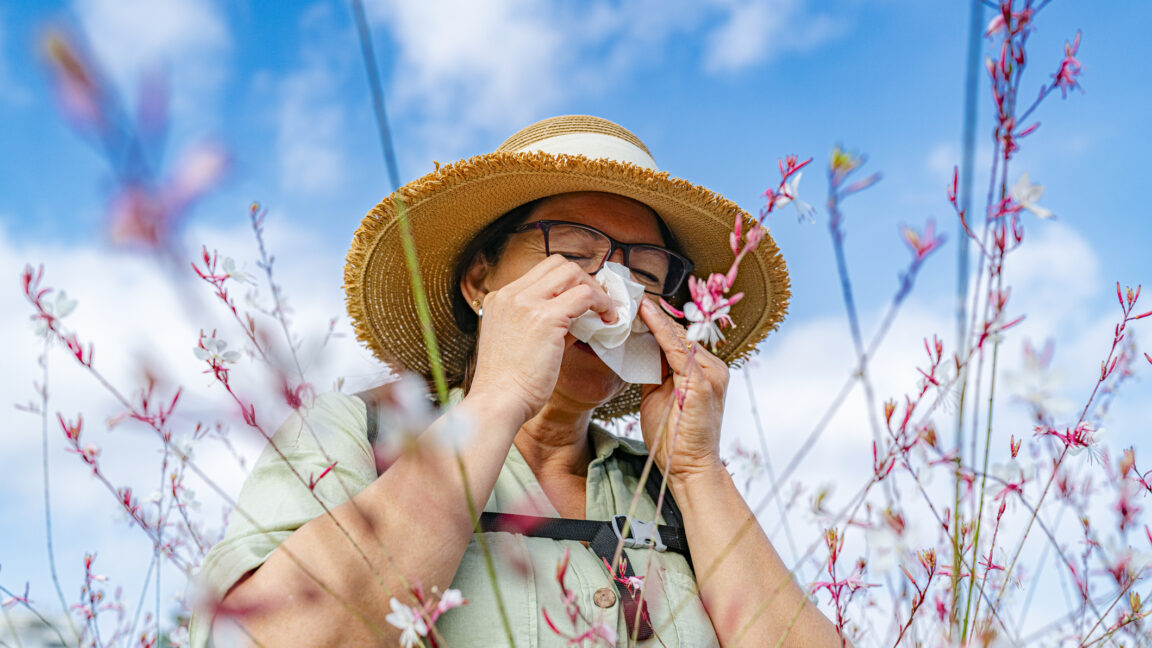
If it feels like every spring your allergies are getting worse, you're not imagining things. Climate change is fundamentally altering the patterns of pollen production and distribution across the Northern Hemisphere, leading to longer, more intense allergy seasons. Dr. Neelima Tummala, an otolaryngologist at NYU Langone Health, notes that patients consistently report their symptoms are more severe than ever—and science backs them up. With about 25% of U.S. adults and 20% of children affected by seasonal allergies, understanding how a warming planet impacts pollen is crucial. This article breaks down seven key mechanisms linking climate change to your sneezes and sniffles, and offers practical steps to find relief.
Jump to Item 1 | Jump to Item 2 | Jump to Item 3 | Jump to Item 4 | Jump to Item 5 | Jump to Item 6 | Jump to Item 7
Related Articles
- Inside Marty Makary's FDA Tenure: Key Questions and Answers
- Breakthrough ‘Trojan Horse’ Obesity Drug: How It Works and What Early Tests Reveal
- How to Leverage Apple’s AirPods Hearing Health Features Based on the Latest Apple Hearing Study Findings
- Disparities in Extreme Heat: Why Black Americans Face Greater Risks
- New Analysis Questions Alzheimer's Amyloid-Clearing Drugs: Limited Benefits and Potential Risks
- The Lingering Legacy of Leaded Aviation Fuel
- Financial Services Lead Contact Center AI Revolution: Empathy and Outcomes at Scale
- 8 Crucial Facts About the Hantavirus Outbreak and Its Troubling Echoes of COVID Conspiracies