AI and Energy: A New American Partnership Unveiled at SCSP Expo
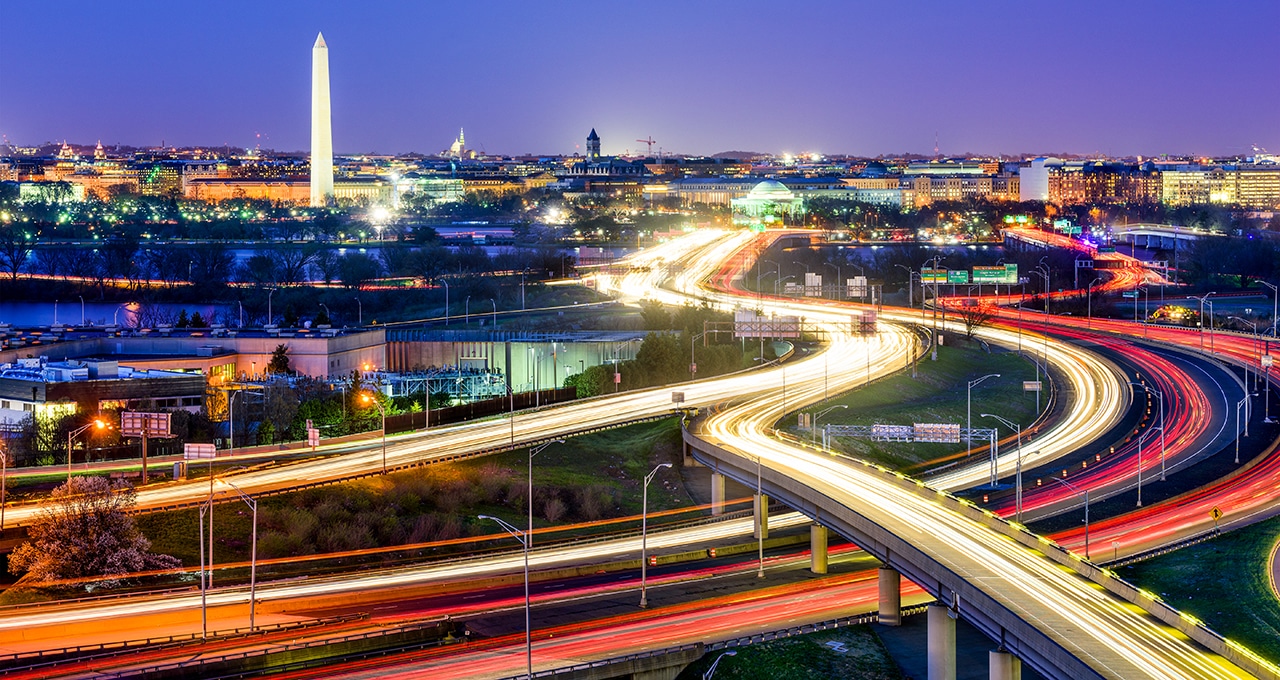
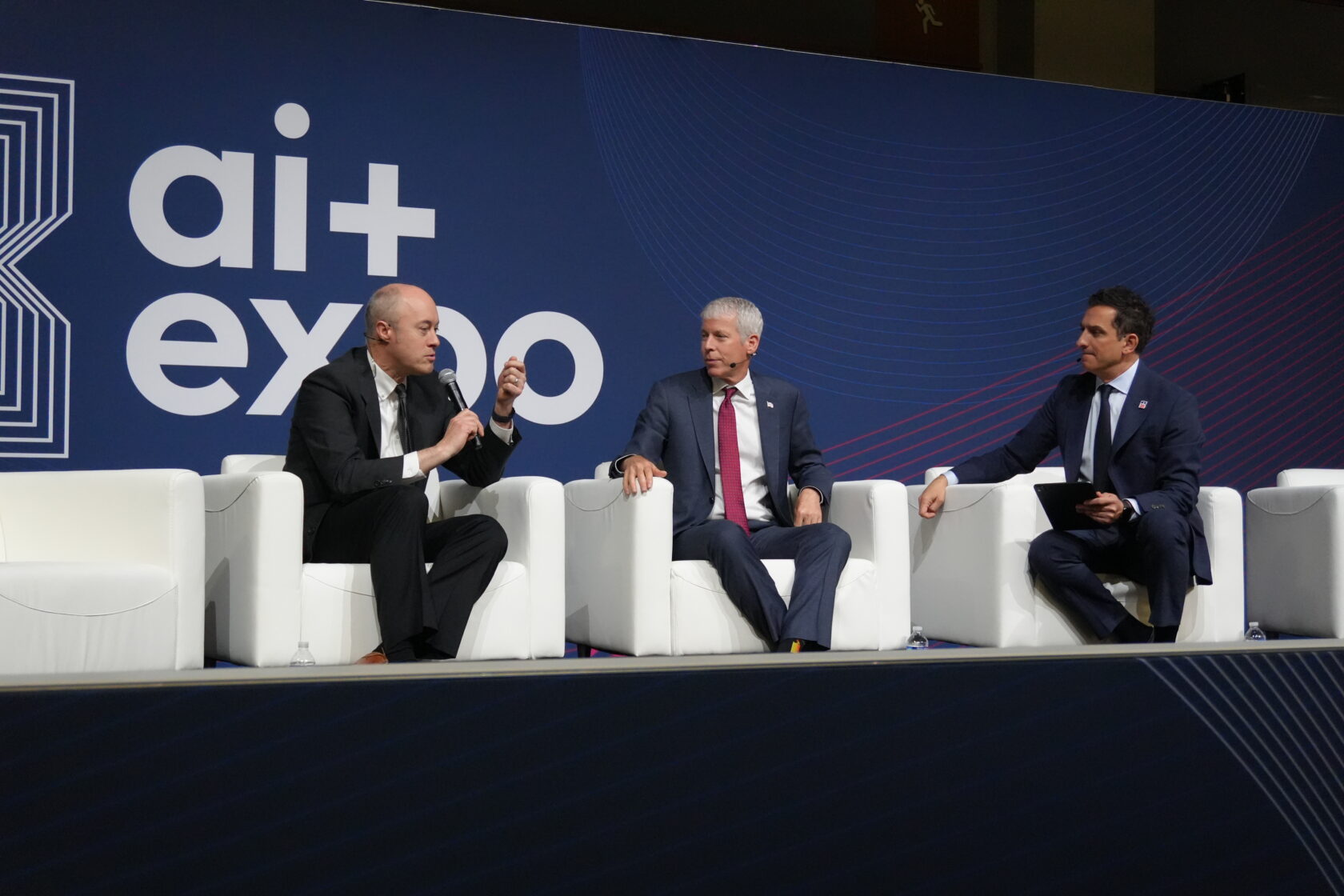
U.S. Energy Secretary Chris Wright and NVIDIA executive Ian Buck declared Thursday that American leadership in artificial intelligence depends on American leadership in energy. The bold claim came during a packed fireside chat at the SCSP AI+ Expo in Washington, D.C.
"Energy is life," Wright said. "The more energy you have, the more affordable energy you have, the more opportunities you have in your society."
The Genesis Mission Takes Center Stage
At the heart of that vision is the Genesis Mission, a Department of Energy initiative to apply AI to scientific discovery. Wright and Buck framed it as a national imperative where computation meets the power grid.
"NVIDIA is 100% committed and invested in Genesis," Buck said. "I’ve never seen more excitement across the lab and industry."
Background: DOE and NVIDIA’s Long Partnership
The DOE operates 17 national labs with scientists, data, and pressing national problems. NVIDIA brings a full computing stack—hardware, algorithms, and two decades of joint supercomputing with the labs.
Buck noted that NVIDIA has built supercomputers alongside the national labs for years. Now the partnership is scaling up dramatically.
What This Means: Supercomputers Built for Science
Two new AI supercomputers are under construction at Argonne National Laboratory. The first, Equinox, launches now with 10,000 NVIDIA Grace Blackwell GPUs—the same chips used in today’s leading AI models.
"The same GPU, the same software being used to train and build AI that we’re all enjoying today," Buck said. The second machine, Solstice, will deploy 100,000 next-generation Vera Rubin GPUs.
Buck put that scale in perspective: "100,000 on the next-generation GPU... it’s 5,000 exaflops. That’s a big number that actually is five times larger than the entire TOP500 supercomputer list combined."
The machines will be open to global scientific researchers. Buck emphasized that NVIDIA is building all the same technology blocks for science that major AI labs use commercially.
"We’re creating all the same technology, all the same hardware, all the same software building blocks used by all the major AI labs around the world," Buck said, "for all of world science to go get access to."
One practical example: an open-source NVIDIA AI model trained on 1.5 million physics papers and fine-tuned on 100,000 more. That model will help researchers accelerate breakthroughs in materials science, climate, and energy.
Wright and Buck both argued that abundant, affordable energy is not just a resource—it is the foundation for AI innovation and, by extension, American competitiveness. The Genesis Mission, they said, turns that argument into action.
Expo organizer Ylli Bajraktari moderated the session. The SCSP AI+ Expo continues this week with additional NVIDIA leaders addressing workforce AI, physical AI, and quantum computing.
Related Articles
- Rethinking Rice: Innovative Strategies to Reduce Methane Emissions from Paddies
- How to Boost Your Go Application with the Green Tea Garbage Collector
- Tesla Unveils Basecharger and Megacharger Pricing for Semi Truck Charging Program
- Renewable Energy Surge: Six Wind Farms, Solar-Battery Hybrids, and Long-Duration Batteries Win Key Tender as Coal Plants Prepare for Shutdown
- Conquering Scope 3 Emissions: A Daunting Task but Far from Hopeless
- Empowering AI with Domain-Specific Skills for Flutter and Dart Development
- How to Migrate Your Static Websites to Dart and Jaspr: A Step-by-Step Guide
- 10 Critical Climate and Food Stories This Fortnight