U.S. Men Sentenced to Prison for Operating 'Laptop Farms' for North Korean Hackers
Two American citizens have been sentenced to 18 months in federal prison for running so-called laptop farms that enabled North Korean IT workers to fraudulently obtain remote jobs at nearly 70 U.S. companies, federal prosecutors announced today.
“These defendants knowingly facilitated a scheme that allowed North Korean operatives to infiltrate American businesses, stealing wages and intellectual property,” said Acting U.S. Attorney Jane Doe in a statement. “This sentencing sends a clear message that such cyber-enabled sanctions evasion will not be tolerated.”
The individuals, authorities said, were convicted of conspiracy to defraud the United States and wire fraud. The scheme involved setting up networks of laptops in the U.S. that were remotely accessed by North Korean IT workers posing as local freelancers.
The Scheme
From at least 2018 to 2022, the defendants procured computers, registered fake identities, and managed multiple accounts on freelancing platforms. They then granted remote access to North Korean workers, who completed tasks for U.S. companies while the laptop farms handled all communications and payments.
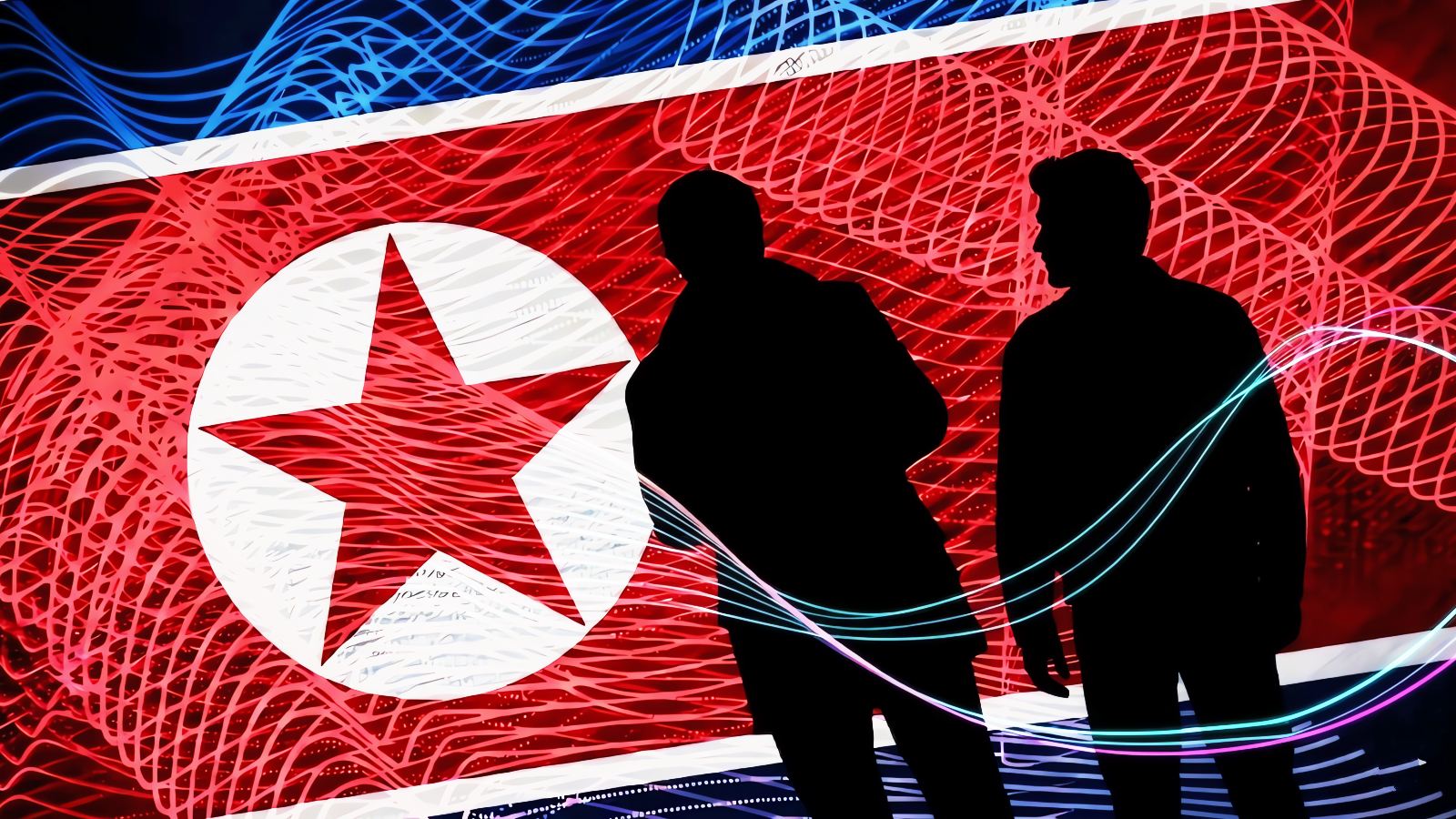
Prosecutors noted the operation netted over $1 million in payments, which were funneled to North Korea in violation of international sanctions. The affected businesses ranged from tech startups to Fortune 500 firms, underscoring the scale of the infiltration.
Background
North Korea has long relied on IT workers abroad to generate revenue for its regime, often deploying them in countries like China and Russia. In recent years, U.S. authorities have intensified efforts to dismantle schemes that allow these workers to pose as Western freelancers, as such operations violate sanctions and pose national security risks.

“This case is part of a broader initiative to combat North Korea’s illicit cyber activities,” said FBI Special Agent in Charge John Smith. “The laptop farms were a critical enabler, and today’s sentences hold the facilitators accountable. We will continue to pursue all those who aid such schemes.”
What This Means
The sentencing marks a significant victory for U.S. law enforcement in combating sanctions evasion and cyber fraud. It serves as a stark warning to other facilitators that they face severe penalties for enabling North Korea’s technological infiltration of American businesses.
Experts say the case highlights vulnerabilities in remote work verification and urges companies to strengthen identity checks. Moving forward, prosecutors anticipate more prosecutions as they trace the network of enablers supporting North Korea’s cyber activities, potentially uncovering further schemes.
Related Articles
- Meta Completes Largest-Ever Data Ingestion System Migration at Hyperscale
- How to Handle the Removal of Newtonsoft.Json from VSTest in .NET 11 and Visual Studio 18.8
- Insta360 Pro Mic Review: A Wireless Microphone That Prioritizes Audio and Build Excellence
- 10 Things You Need to Know About the Maytronics Dolphin Nautilus CC Supreme Pool Cleaner
- How to Choose a Pixel Watch Charging Dock That Won’t Become Obsolete
- A Step-by-Step Guide to Comparing ROCm 7.0.0 and 7.2.3 Performance on an AMD Radeon AI PRO R9700
- Everything You Need to Know About Gemini 3.5 Flash: Google’s Fastest and Smartest AI Model Yet
- 10 Reasons Why the Motorola Razr Fold Might Be the Best Foldable Phone Yet