How to Chart a National Path Away from Fossil Fuels: A Step-by-Step Guide Inspired by the Santa Marta Summit
Introduction
In April 2026, 57 countries gathered in Santa Marta, Colombia, for the first-ever summit dedicated to transitioning away from fossil fuels. The result? A blueprint for creating national roadmaps, new tools to tackle subsidies and carbon-intensive trade, and a collective commitment to accelerate the shift to clean energy. This guide turns the summit’s approach into a practical, step-by-step process for any country—or organization—wanting to design its own fossil-fuel exit strategy. Whether you’re a policymaker, activist, or business leader, these steps will help you navigate the politics, science, and economics of moving beyond coal, oil, and gas.

What You Need
- Political commitment from top-level government officials (e.g., energy minister, environment envoy)
- Access to scientific expertise – at least one independent climate research body or university partner
- Stakeholder list including industry representatives, civil society groups, and affected communities
- Data on current fossil fuel subsidies and trade flows (national statistics, IMF reports, or WTO data)
- A neutral venue for open, face-to-face negotiations (can be in-country or hosted by a willing partner nation)
- Funding for a small secretariat to manage logistics and record discussions
Step-by-Step Guide
Step 1: Convene a First-of-Its-Kind National Summit
Follow the model of Colombia and the Netherlands. Invite not just ministers but also envoys from across the political spectrum, plus key stakeholders. Keep the format intimate—small meeting rooms where “open and frank conversations” can happen. The goal: identify barriers, share hard truths, and build trust. In Santa Marta, this “refreshing” approach allowed participants to sit side-by-side and discuss obstacles they face in shifting from fossil fuels to clean energy. For your national summit, aim for at least two full days, with a pre-conference for scientists.
Step 2: Establish a Science Panel for Rapid Analysis
During the Santa Marta summit, 400 academics launched a new science panel dedicated to providing quick, actionable analysis. Replicate this by creating a national science advisory group. Its job: review technical options for phasing out coal, oil, and gas, and produce rapid-response reports when policymakers ask for evidence. The panel should also endorse the principle of “halt all new fossil-fuel expansion”—a key recommendation from the summit’s scientific report. Make sure the panel includes economists, engineers, and social scientists to cover trade and equity issues.
Step 3: Map Your Country’s Fossil Fuel Landscape
Before you can move away, you must know where you stand. Collect data on:
- Current production and consumption of coal, oil, and gas
- Government subsidies and tax breaks for fossil fuels
- Carbon-intensive trade (imports and exports of fossil fuels and related goods)
- Employment and economic dependence on fossil fuel sectors
Step 4: Draft a National Roadmap Away from Fossil Fuels
Based on the science-panel recommendations and the landscape map, create a detailed plan with clear milestones. The roadmap should cover:
- Phase-out timelines for coal, oil, and gas
- Alternative energy investments (solar, wind, storage, grid upgrades)
- Social safety nets for displaced workers and communities
- Mechanisms to phase out subsidies and redirect funds to clean energy
Step 5: Negotiate with Trade Partners on Carbon-Intensive Goods
One of the summit’s key outcomes was new tools to address carbon-intensive trade. Engage with your major trading partners early on. Propose joint measures like carbon border adjustments, green procurement standards, or phase-out agreements for high-emission products. This step is politically sensitive—the original news noted tensions at the International Maritime Organization over gas investments—so use the “open and frank” format from Step 1 to air disagreements constructively.
Step 6: Launch a Communication Campaign
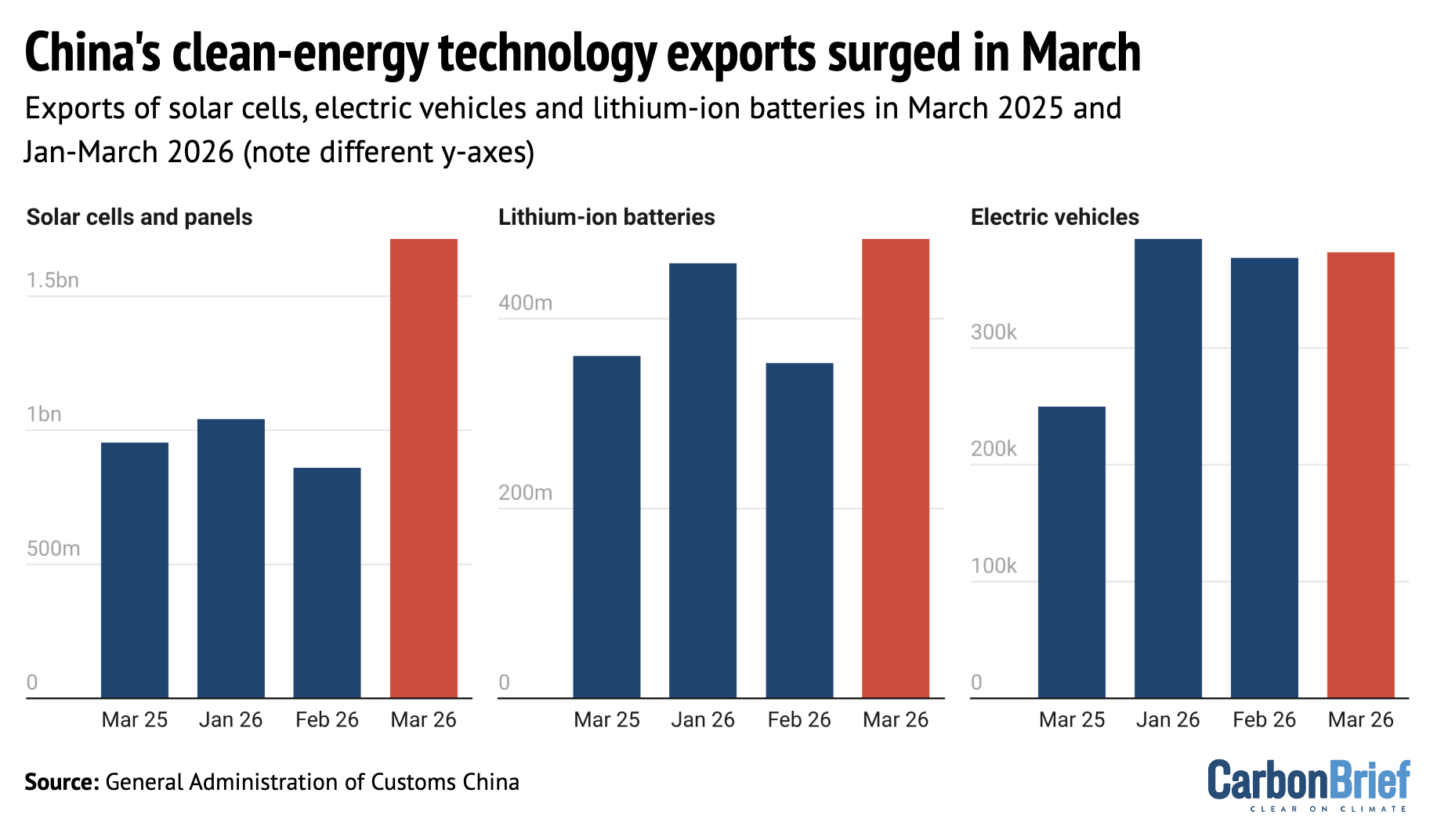
To build public and political support, disseminate the roadmap broadly. Use simple language, infographics, and stories of communities already transitioning. Highlight successes like the slowdown in tropical forest loss (achieved partly by Brazil’s efforts) or the US clean-energy surge that outpaced Trump-era policies. Frame the transition not as a sacrifice but as an opportunity for energy security, job creation, and lower pollution.
Step 7: Monitor, Report, and Adjust
Set up a monitoring mechanism—possibly using the same science panel—to track progress against the roadmap. Publish annual progress reports. If coal-power output rises (as the Carbon Brief analysis notes a potential 1.8% increase globally), investigate why and adjust the plan. The Santa Marta model included a “science pre-conference” that can be repeated biennially to review new data and update recommendations.
Tips for Success
- Start small. Even a handful of initial countries can create a domino effect. The Santa Marta summit began with just 57 nations, but they represented one-third of the global economy.
- Don’t avoid tough conversations. The “refreshing” format worked because it allowed ministers to admit difficulties. Encourage humility and honesty.
- Use the oil and gas crisis as a catalyst. The summit happened against a backdrop of global energy disruption—leverage such moments to push for faster change.
- Link fossil fuel phase-out to other issues. As the original news noted, mass incarceration is also a climate justice issue. Connect your roadmap to equity, health, and human rights.
- Celebrate wins. When forest loss slows or clean energy hits new records, highlight them to maintain momentum.
By following these steps, any country can replicate the spirit of the Santa Marta summit and chart a credible, science-based path away from fossil fuels. The tools are now available—the only missing ingredient is political will.
Related Articles
- GitHub Copilot CLI Explained: 8 Key Tips for Interactive and Non-Interactive Modes
- Decoding Apple's Vision Pro Immersive Video Rollout: A Step-by-Step Guide to Understanding the Platform's Challenges
- ACEMAGIC Revamps F5A Mini PC: Ryzen AI HX 470 Boosts Storage and Connectivity
- Unify Observability and Agentic Workflows with the gcx CLI Tool
- Swift Breaks Free: Expands IDE Support to Cursor, Antigravity, and More via Open VSX
- How to Stop AI Code Errors From Reaching Your Pull Request Review
- Addressing the Retirement Crisis: Trump's Executive Order Seeks to Help 56 Million Uncovered Workers
- 10 Key Things to Know About Claude Code: A Beginner’s Guide