Green Rocks in Spanish Pyrenees Cave Suggest Copper Smelting Over 7,000 Years Ago
Introduction
Deep within a cave in the Pyrenees mountain range, archaeologists have uncovered dozens of vivid green rocks that may rewrite the timeline of early metallurgy in Europe. These malachite-stained fragments hint at a practice far older than previously believed: copper smelting conducted around 7,000 years ago—millennia before the Bronze Age officially dawned in the region. The discovery not only pushes back the date of intentional copper extraction but also offers a rare glimpse into the technological ingenuity of prehistoric communities.
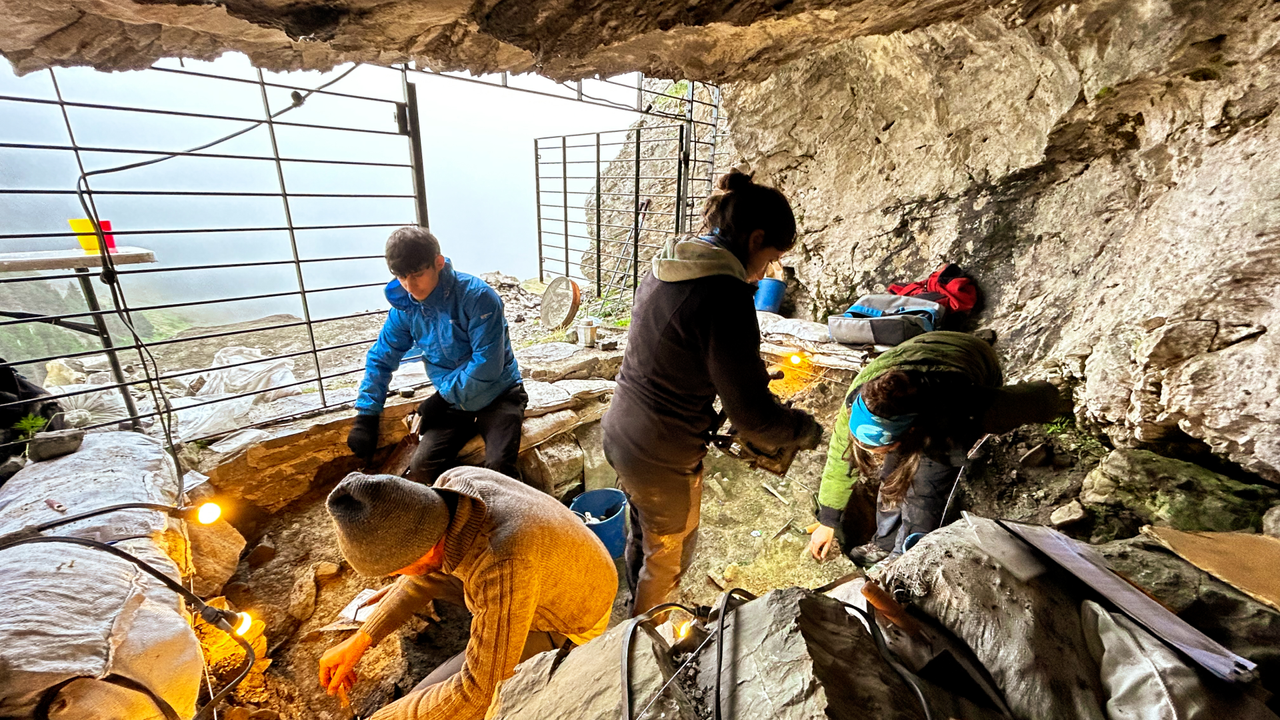
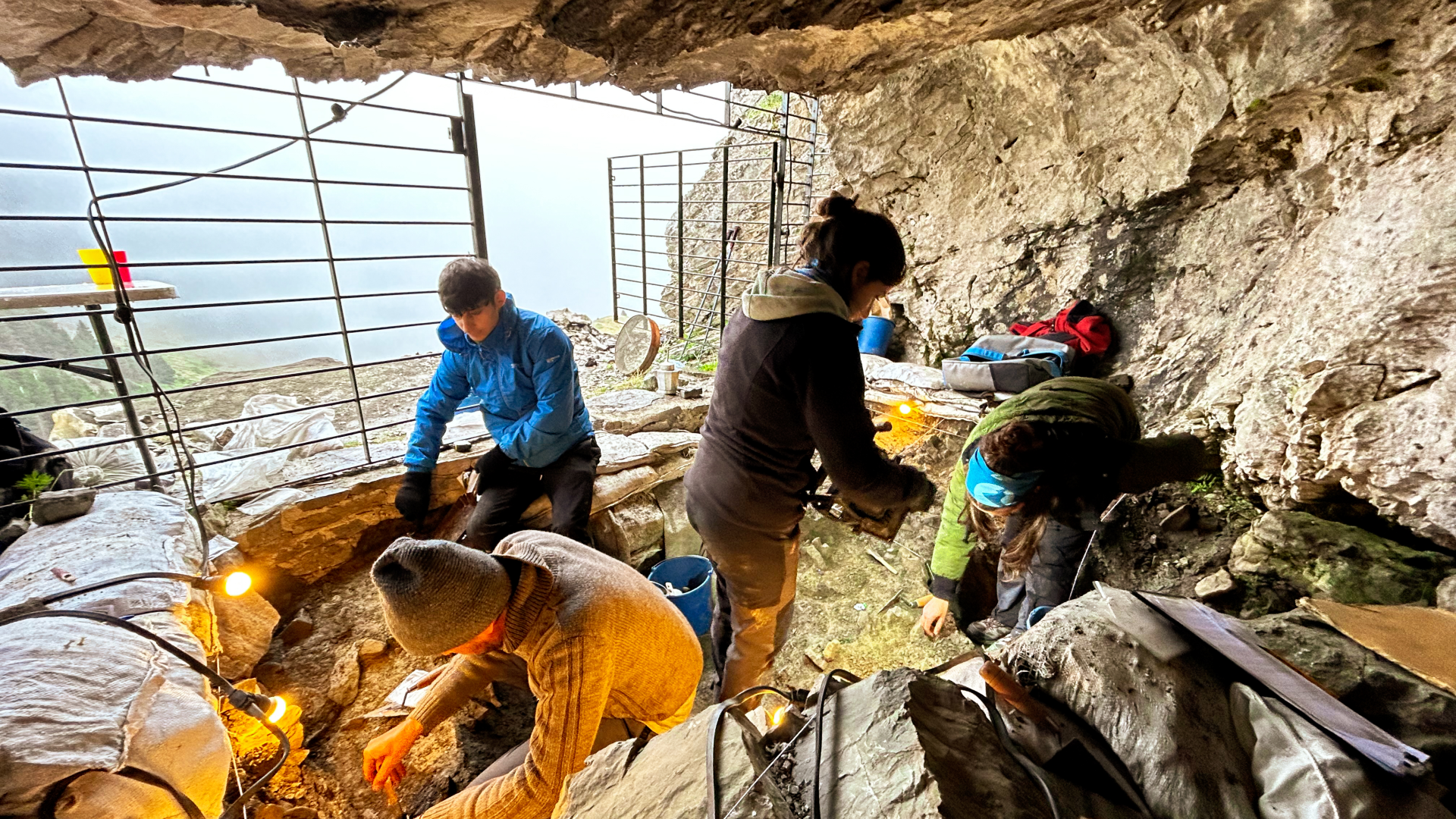
The cave, located in the Spanish side of the Pyrenees, has long been known for its archaeological deposits, but the recent find of these bright-green rocks has sparked particular excitement. Their color comes from copper carbonates, which form when copper-bearing minerals are exposed to air and moisture—a process that can occur naturally, but also as a byproduct of smelting. By analyzing the geological and chemical context, researchers believe they have found direct evidence of human-operated copper processing dating to the early Neolithic period.
The Significance of the Green Rocks
The green rocks are not the only artifacts found in the cave; they are part of a larger assemblage that includes stone tools, charcoal, and pottery. What sets them apart is their composition. Using advanced techniques such as X-ray fluorescence and scanning electron microscopy, the team identified traces of copper smelting residues—specifically slag and partially reduced copper ore. This indicates that the rocks are not naturally occurring malachite but the waste products of primitive smelting furnaces.
Such early copper working, if confirmed, would predate the previously accepted earliest European copper smelting sites in the Balkans by several centuries. The Pyrenees have long been a source of copper ores, but the idea that hunter-gatherers or early farmers were already extracting and heating these minerals is a leap in our understanding. The find adds weight to the hypothesis that copper metallurgy arose independently in multiple regions, rather than spreading from a single origin.
Implications for Prehistoric Technology and Society
Smelting requires high temperatures and controlled atmospheres—skills that suggest a sophisticated knowledge of fire and materials. The early date of around 5000 BCE aligns with the transition from nomadic foraging to settled agriculture in the Pyrenean foothills. Copper smelting may have been part of a broader technological shift, where communities began experimenting with ores to produce tools, ornaments, and perhaps ritual objects.
However, the quantity of copper produced appears to have been small. The green rocks are scattered, not accumulated in large dumps, implying that smelting was an occasional, small-scale activity. This fits with the idea that early metallurgy was not an industrial enterprise but a craft practiced by a few skilled individuals, possibly linked to social status or spiritual beliefs.
Technological Methods
The exact methods used remain speculative, but typical early smelting involved heating copper ore in a hearth or pit with charcoal, then hammering the resulting metal to separate impurities. The presence of slag indicates that the process was advanced enough to create a molten phase. The researchers also noted the cave's natural ventilation, which could have helped achieve the necessary temperatures without complex bellows. This kind of site-specific adaptation is a hallmark of early innovation.
Comparison with Other Early Copper Sites
Compared to known early copper smelting centers like Rudna Glava in Serbia or Alderney in the Channel Islands, the Pyrenean cave is earlier by several centuries. But like those sites, the evidence is fragmentary. What makes the Pyrenean find particularly valuable is its pristine context—undisturbed for thousands of years—and the absence of later contamination. The green rocks were found sealed in a layer that also contained organic materials suitable for radiocarbon dating, providing a secure chronological anchor.
The site also raises questions about trade networks. Copper ore was not locally available within the cave itself; it must have been brought from outcrops elsewhere in the Pyrenees. This suggests that these early people had a regional knowledge of mineral resources and could transport heavy ore over rugged terrain. Such logistical capability implies a degree of social organization beyond the simple band level.
Future Research Directions
The next steps for the research team include detailed chemical analysis of the slag to determine the exact ore sources and smelting conditions. They also plan to excavate more of the cave floor to see if additional smelting features exist, such as hearths or crucibles. Meanwhile, other caves in the region are being surveyed for similar green stains. The hope is to map a network of early copper-working sites across the Pyrenees.
Questions Yet to Be Answered
- Were the smelters local hunter-gatherers or incoming farmers from the Mediterranean?
- What was the primary purpose of the copper— tools, jewelry, or something else?
- Did this early copper smelting have any impact on the environment, such as deforestation for charcoal?
Answering these questions will require interdisciplinary collaboration between archaeologists, geologists, and paleoecologists. But the green rocks have already opened a window into a world where prehistory merges with proto-industry.
Conclusion
The discovery of green rocks in a Pyrenees cave is more than a curious find; it is a key to understanding how our ancestors first harnessed metal. By pushing back the date of copper smelting in Europe by nearly a thousand years, the site challenges established narratives and underscores the ingenuity of prehistoric people. As research continues, these vibrant stones may yet reveal further secrets about the dawn of metallurgy. For now, they stand as a testament to the enduring human drive to transform the natural world—one bright green rock at a time.
Related Articles
- Tesla Adjusts Financing Incentives in China to Counter Sales Slump
- Optimizing Your Code for Faster Highlighting: A Practical Guide
- Optimizing JavaScript Performance: How V8 Turbocharged Async File Operations by Eliminating HeapNumber Allocation
- WattEV Secures 370 Tesla Semis in Historic California Electric Truck Deal
- Waymo Expands Autonomous Ride-Hailing to 11 Cities, Covering 1,400 Square Miles Ahead of World Cup
- Australia's EV Market Hits Record 27% Share in April 2026: Plugin Sales Surge Past 25,000
- Dart and Flutter Teams Launch AI Skills to Close Knowledge Gap for Developers
- Volkswagen Opens Orders for ID. Polo at $40,000; Affordable $29,000 Variant Promised Soon